Tents
Scored on weight, rain protection, wind, space and packed size.
Shop prices checked 23 November 2026.
Quick picks
Best for three-season
Alpkit PolestarThree-season 8/10, cheapest of 36 joint top
From £83.97 · min 883 g
Best for summer
Simond MT900 Tarp Tent 2PSummer 9/10, joint top of 4
From £159.99 · min 1.12 kg
Best value
Vango Soul 200Three-season 7/10
From £60 · min 2.26 kg
Best lightweight
OEX Phoxx I UltraliteThree-season 7/10
From £174 · min 715 g
From our scores and shop prices, in stock only. How we pick
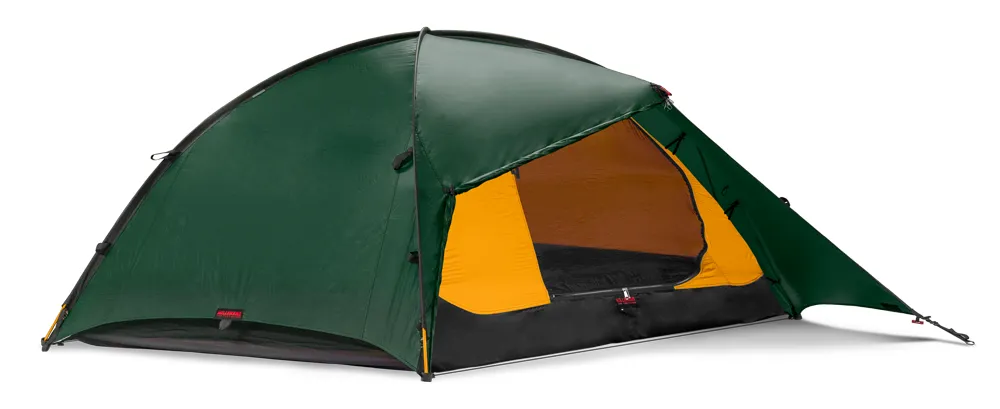
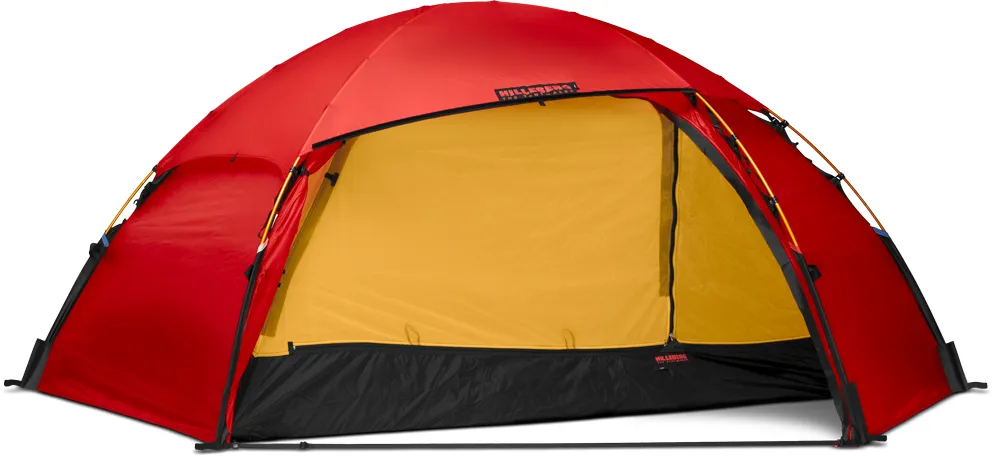
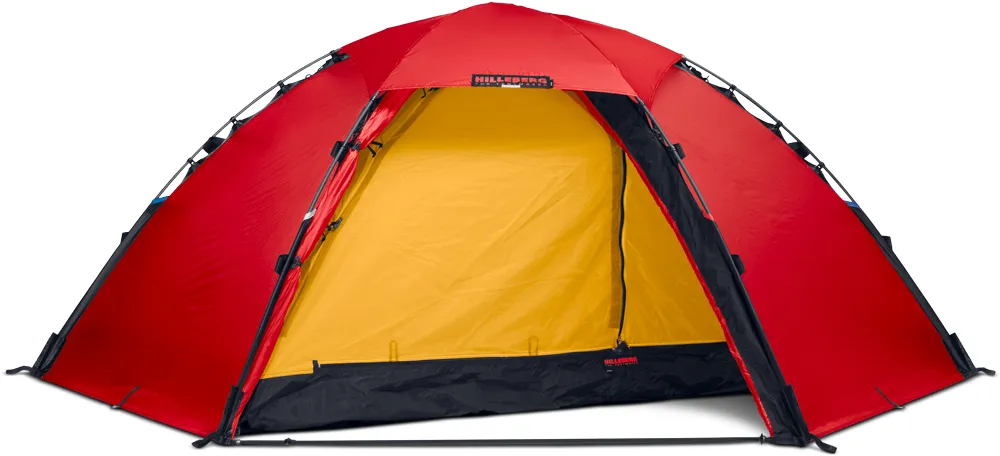
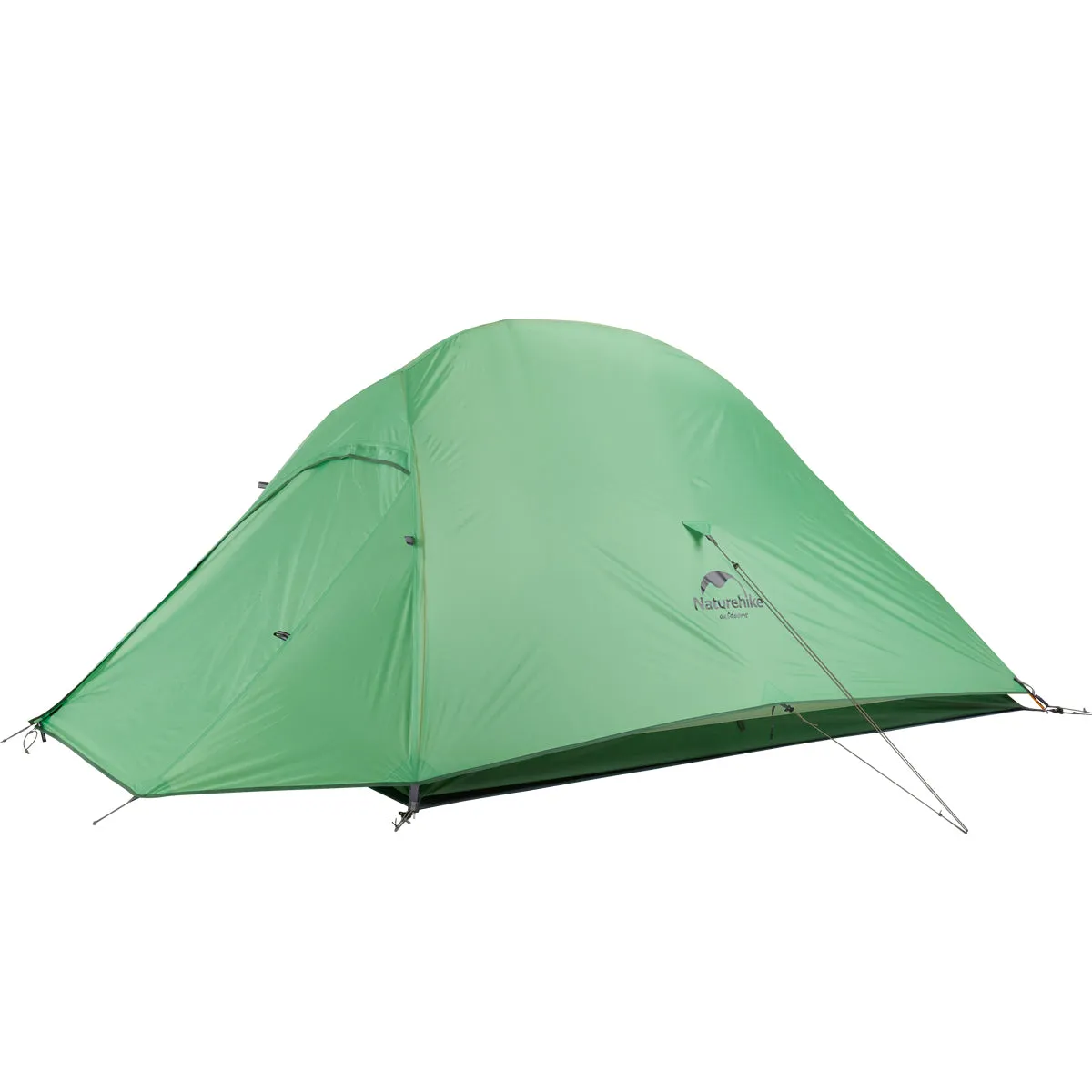
Tents we've scored
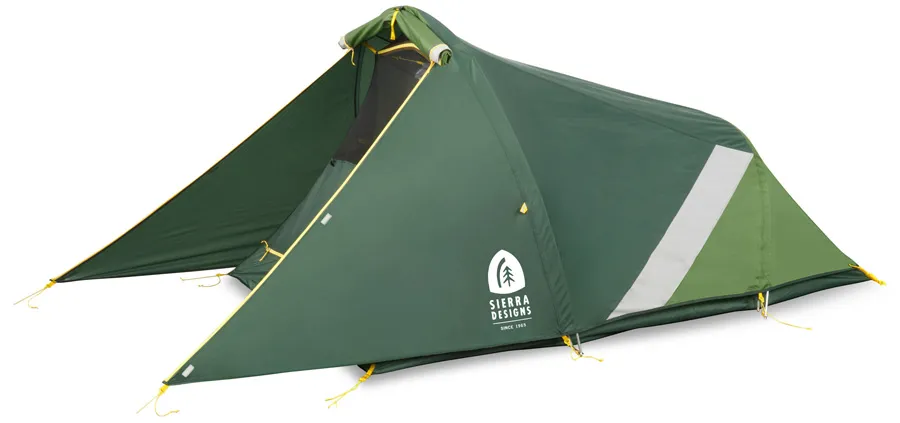
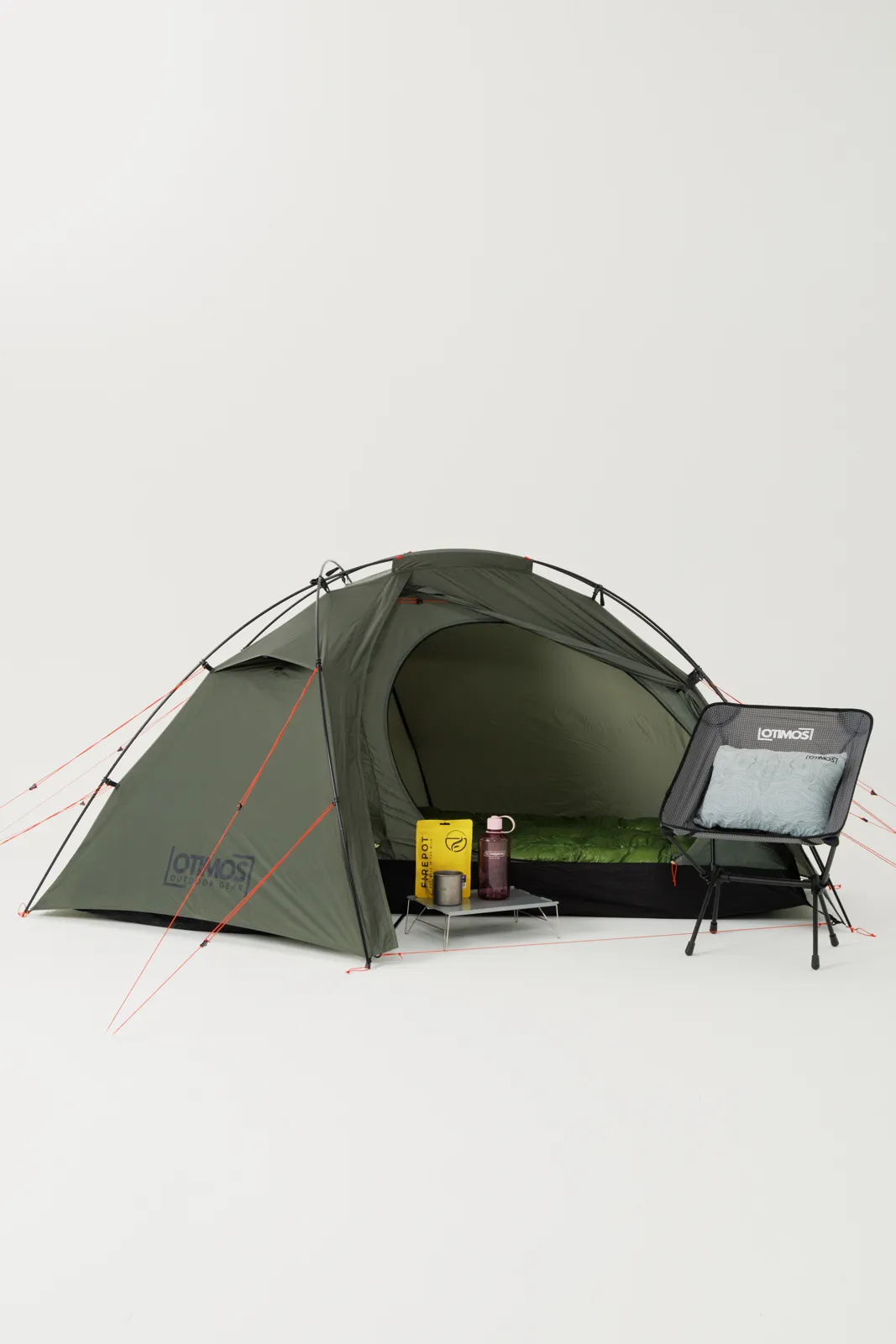
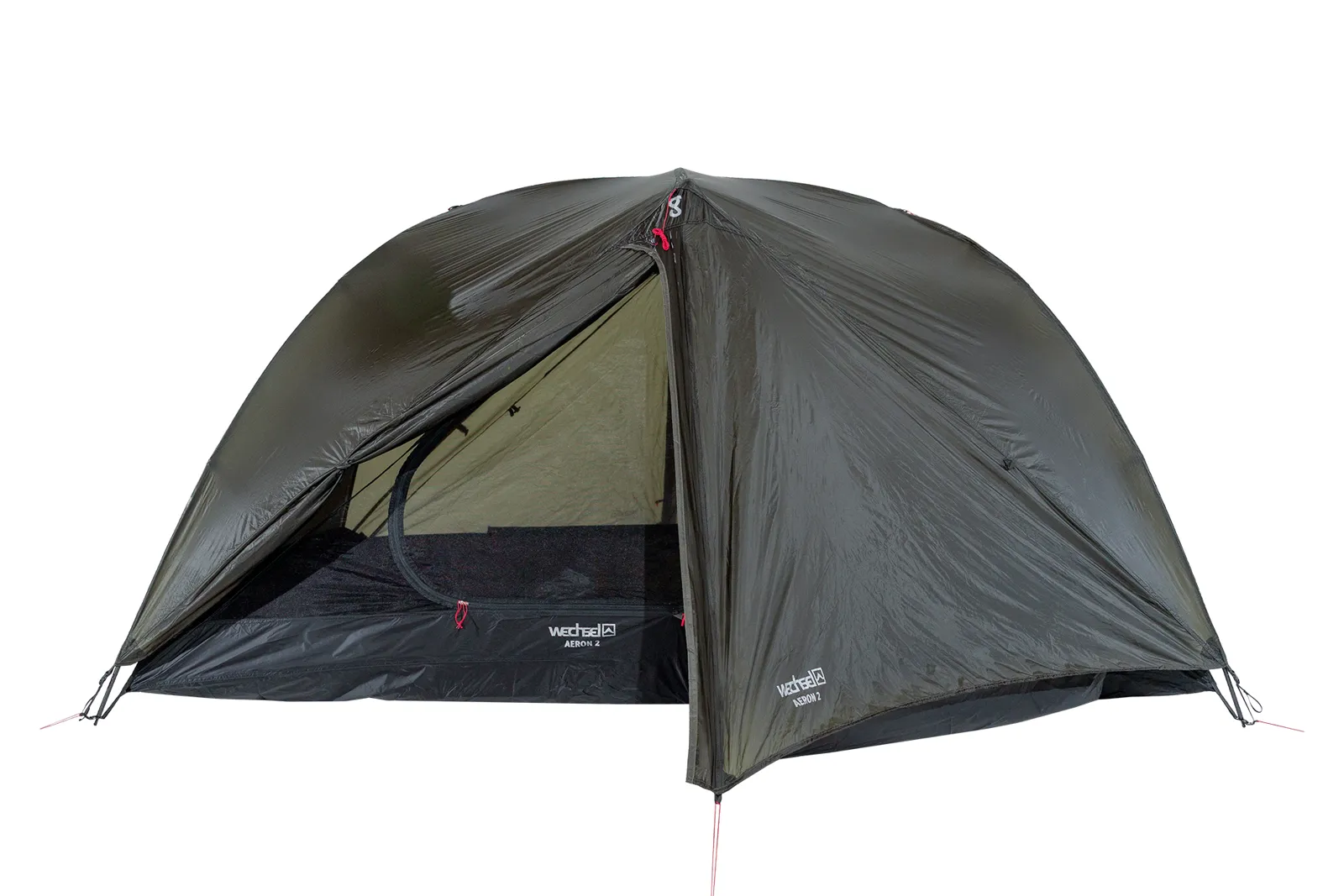
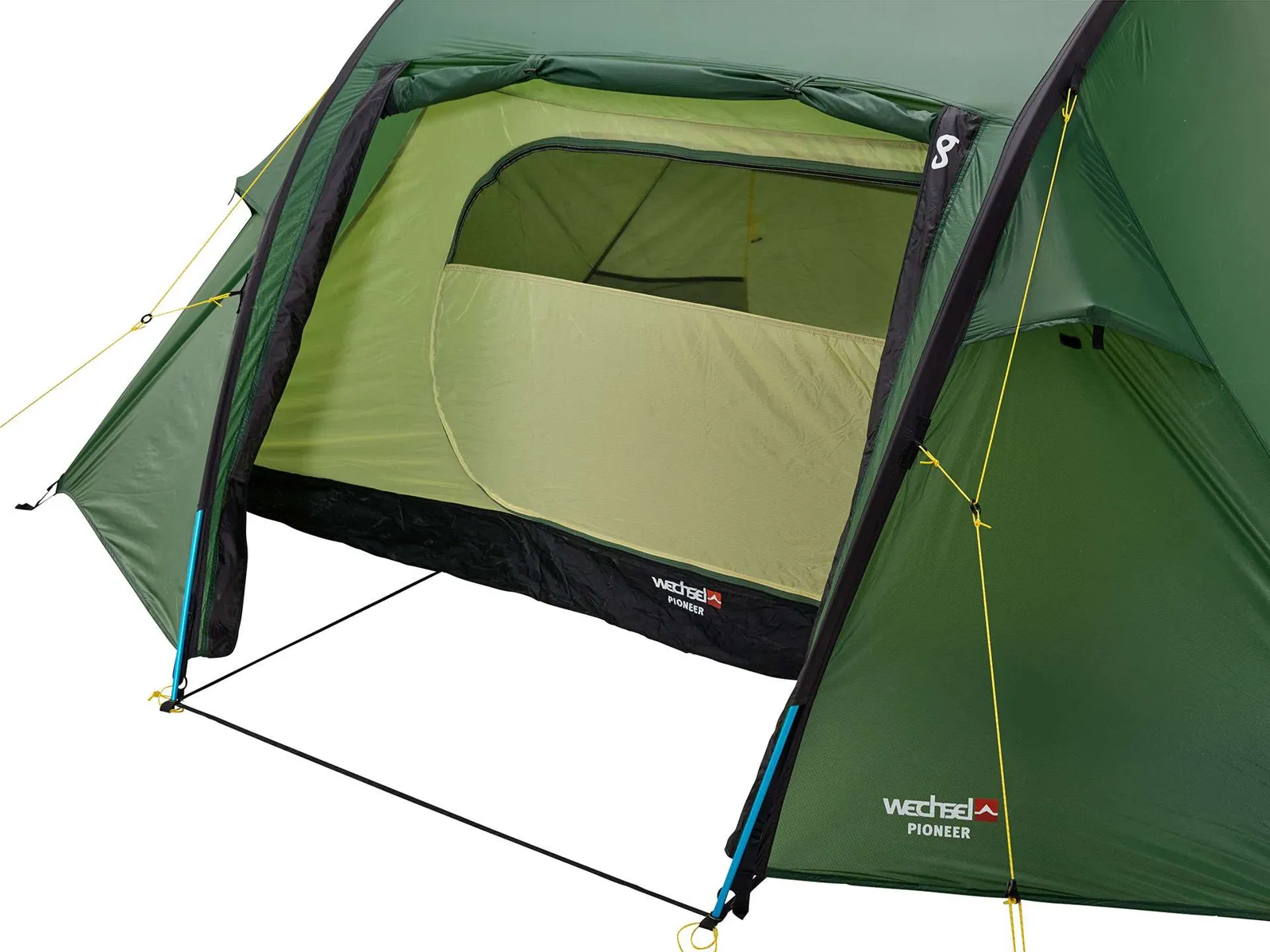
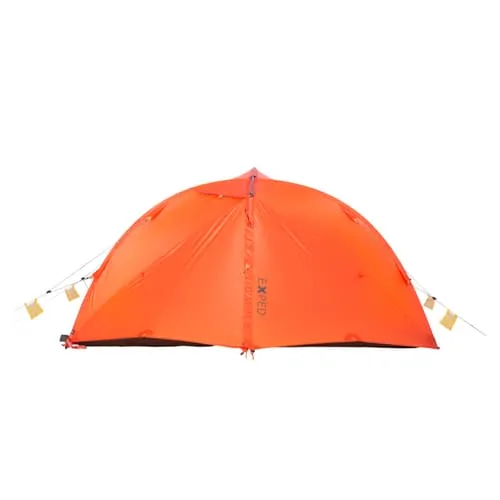
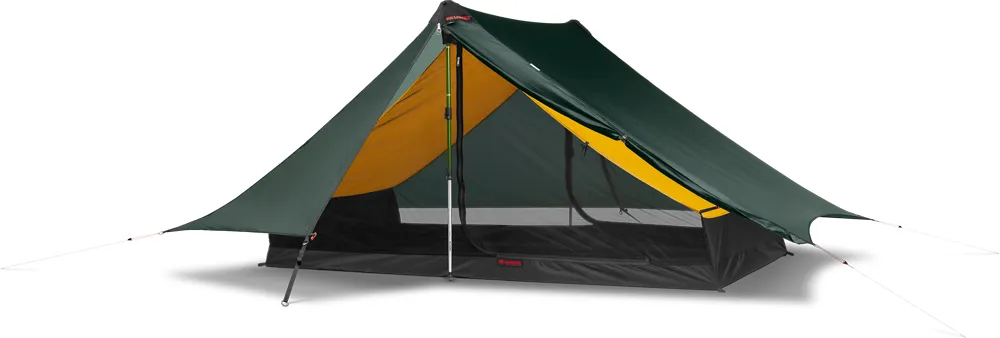
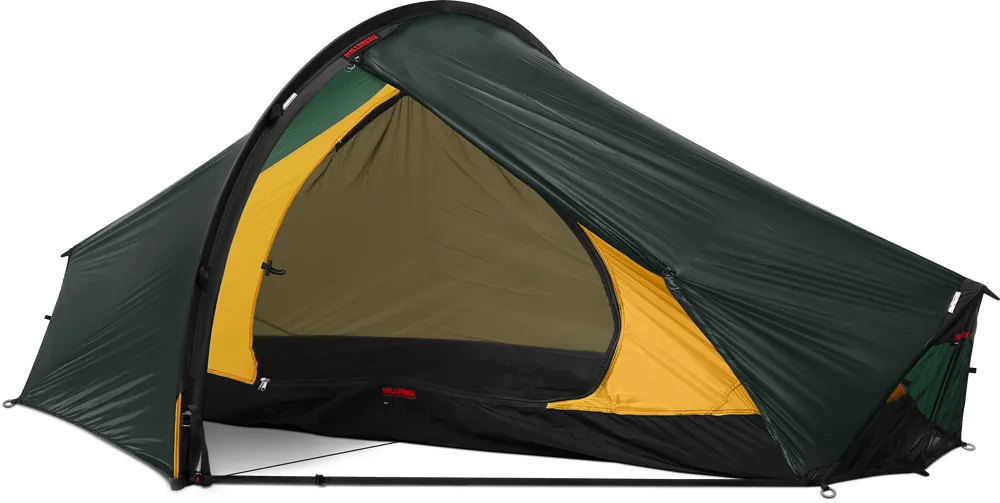
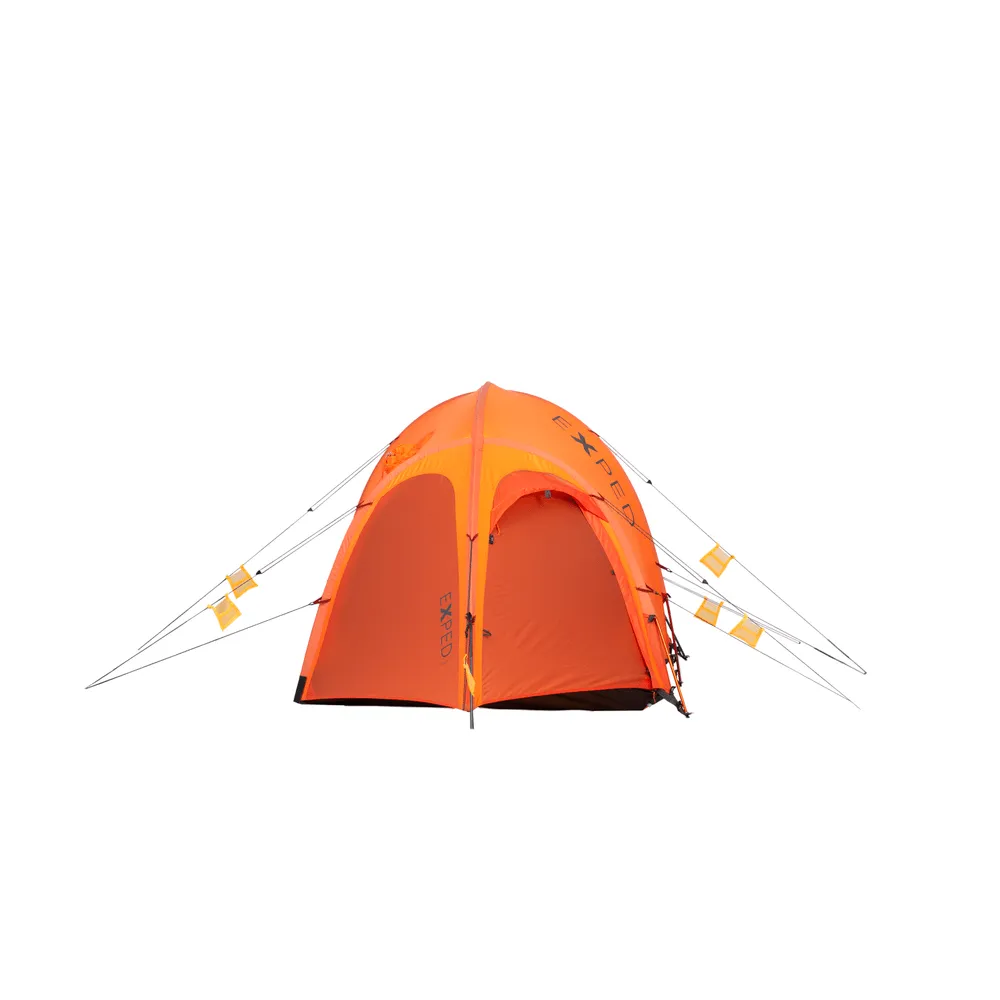
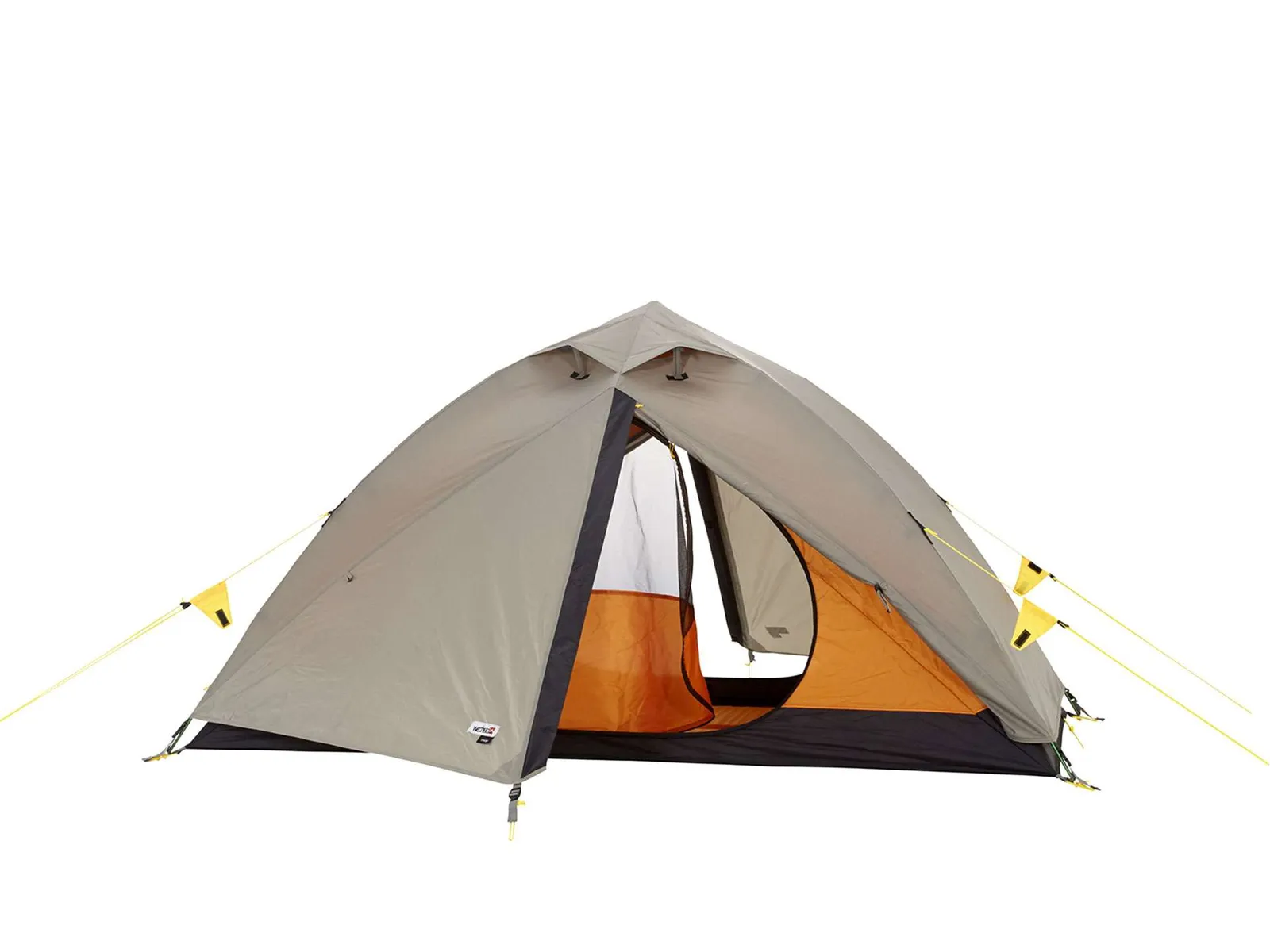
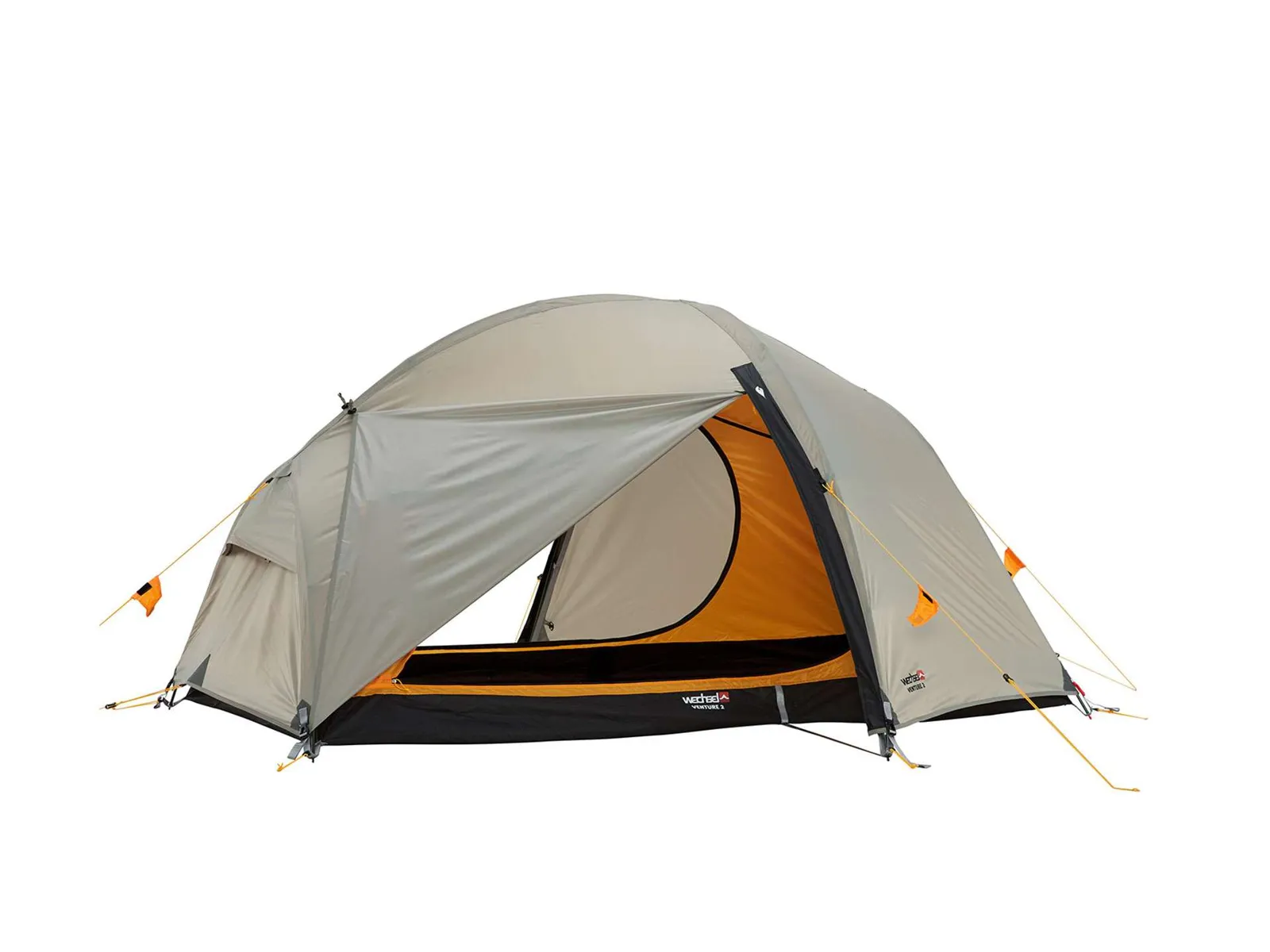
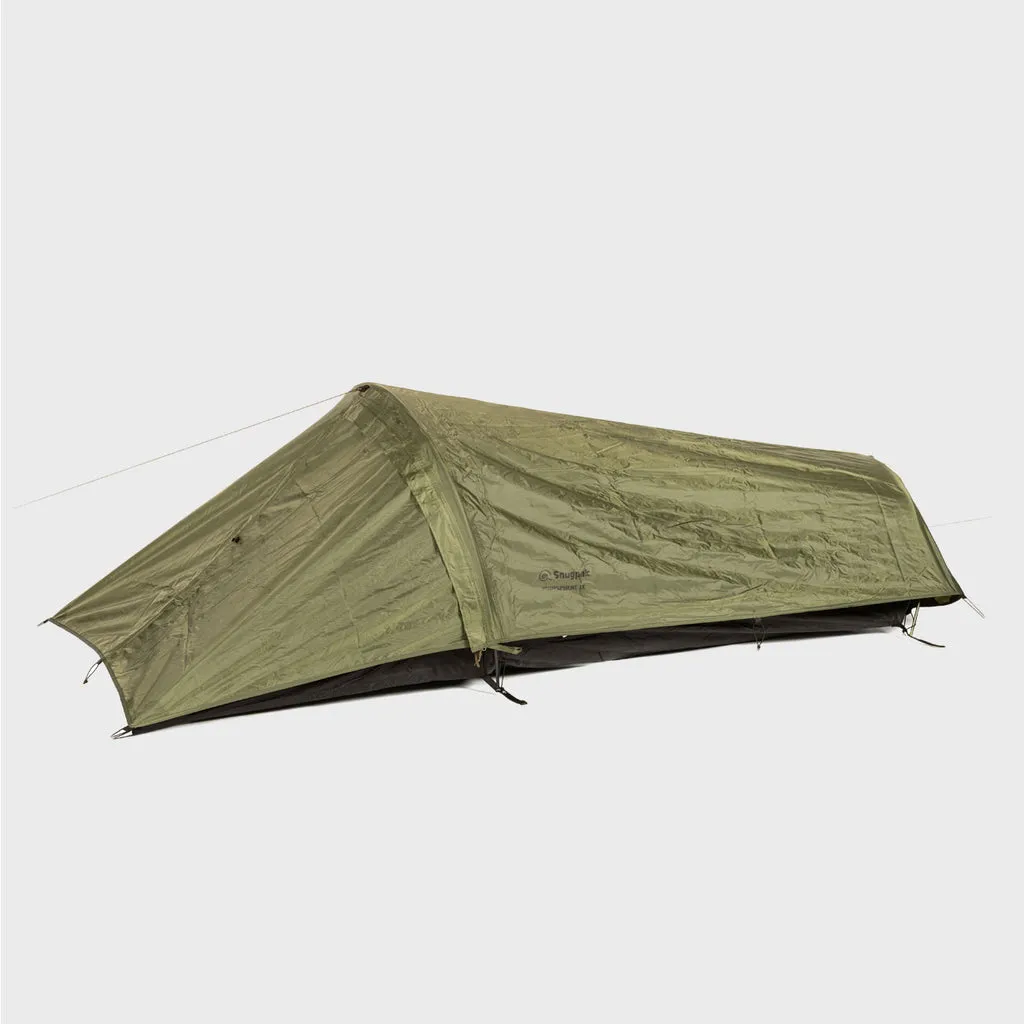
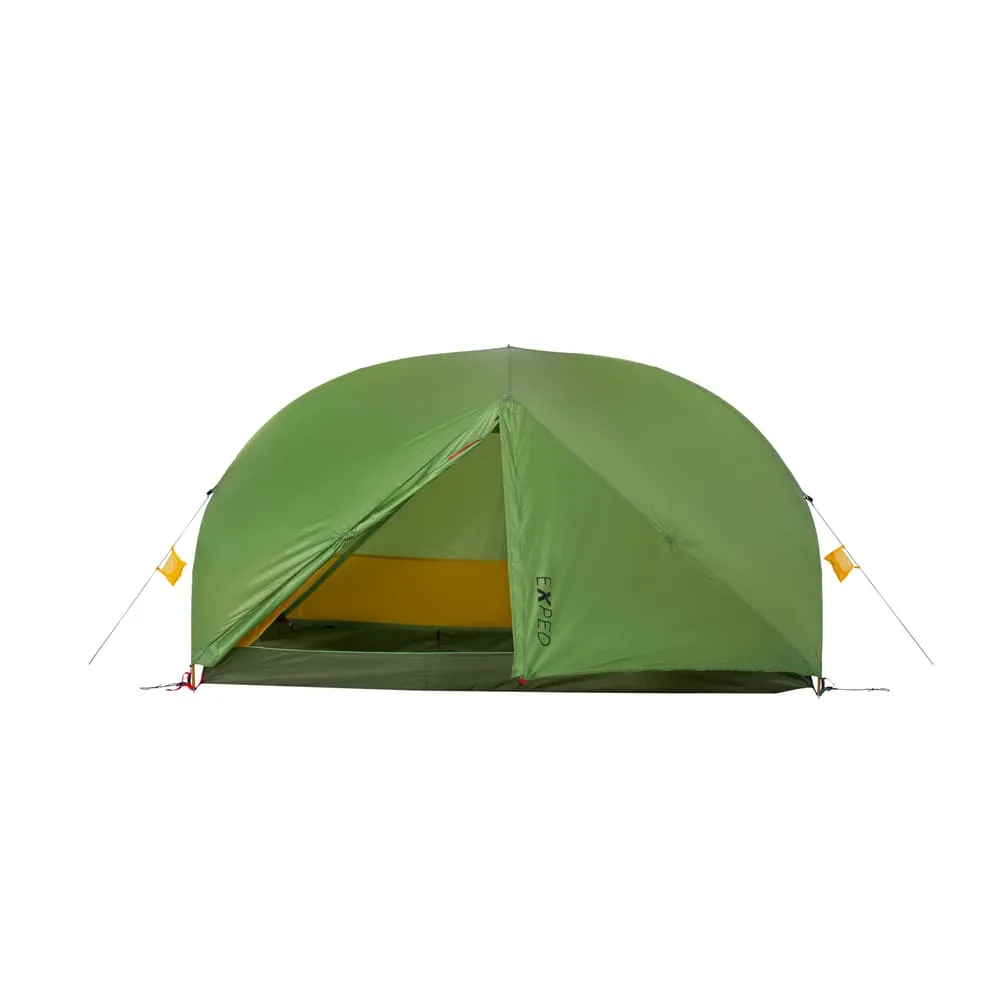
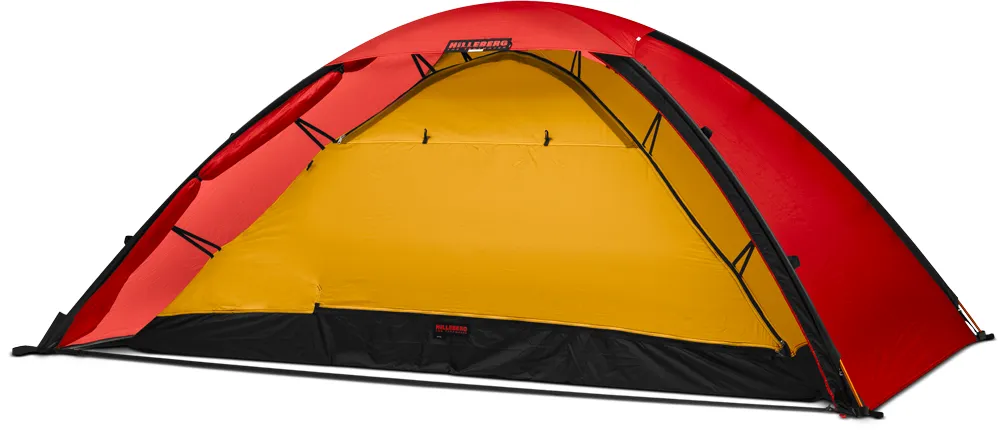
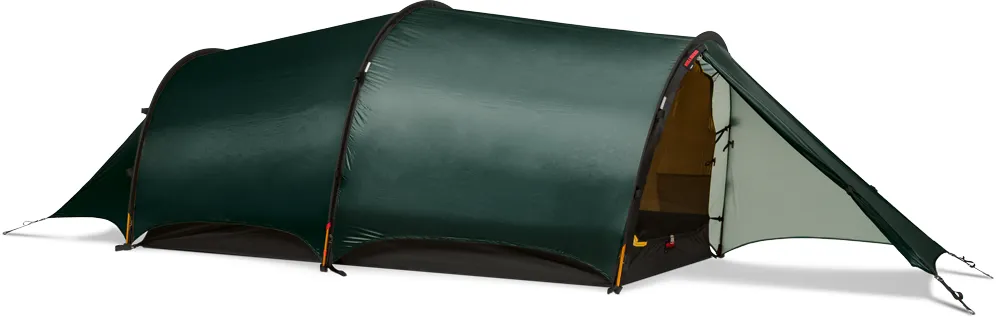
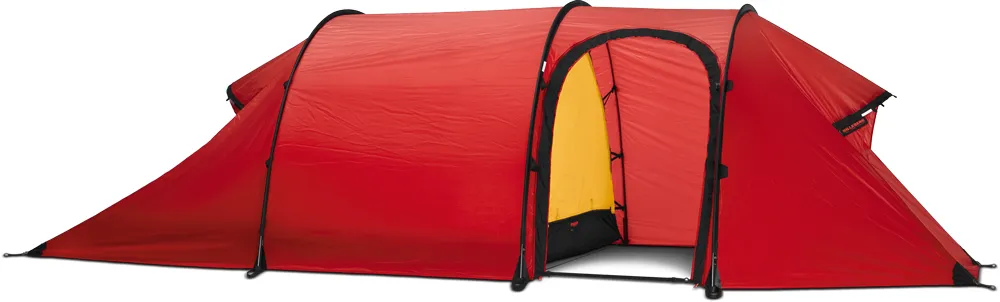
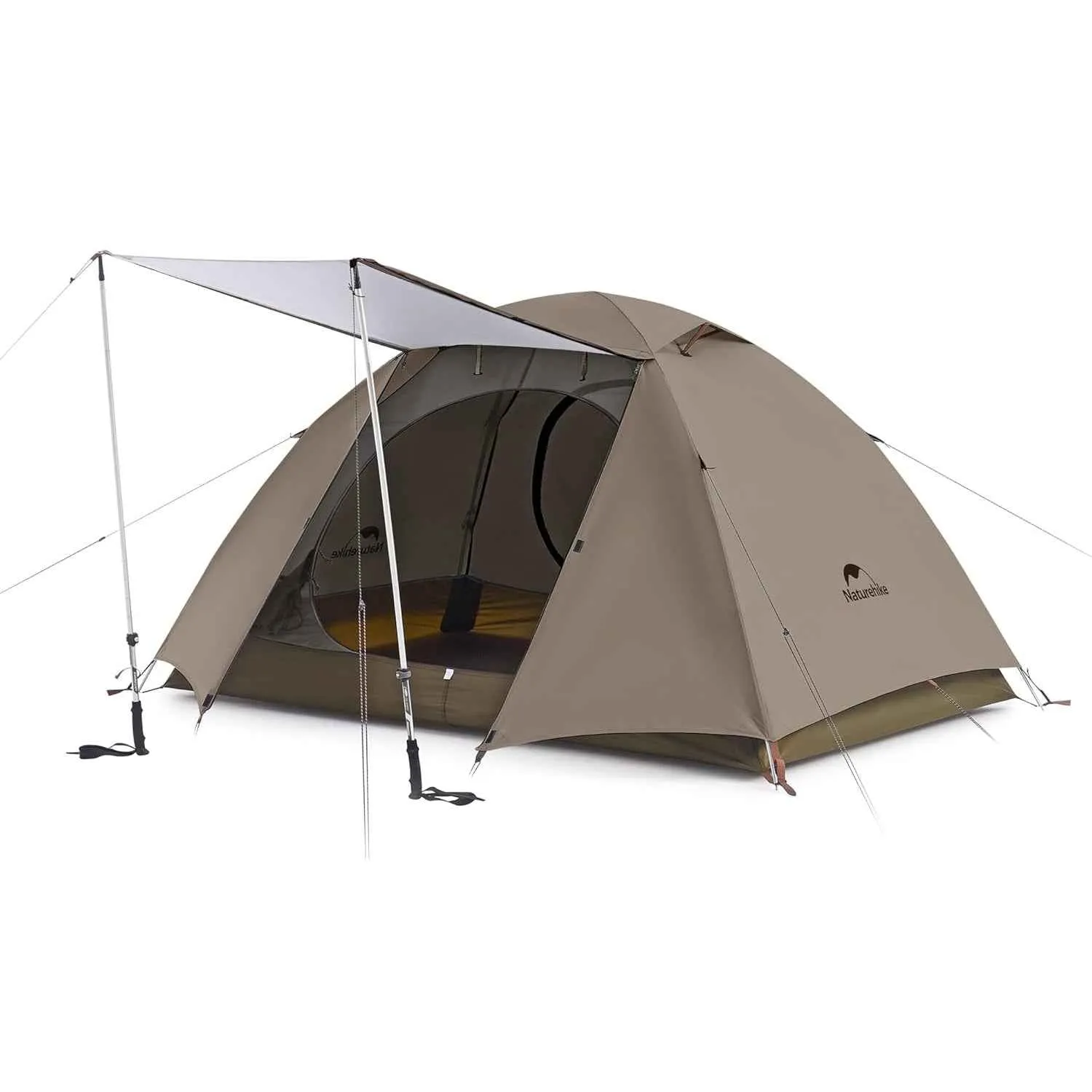
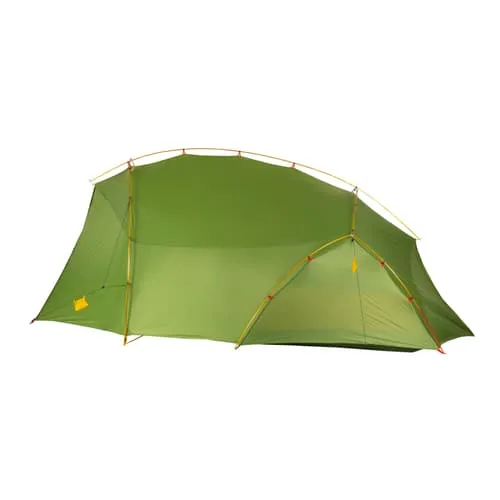
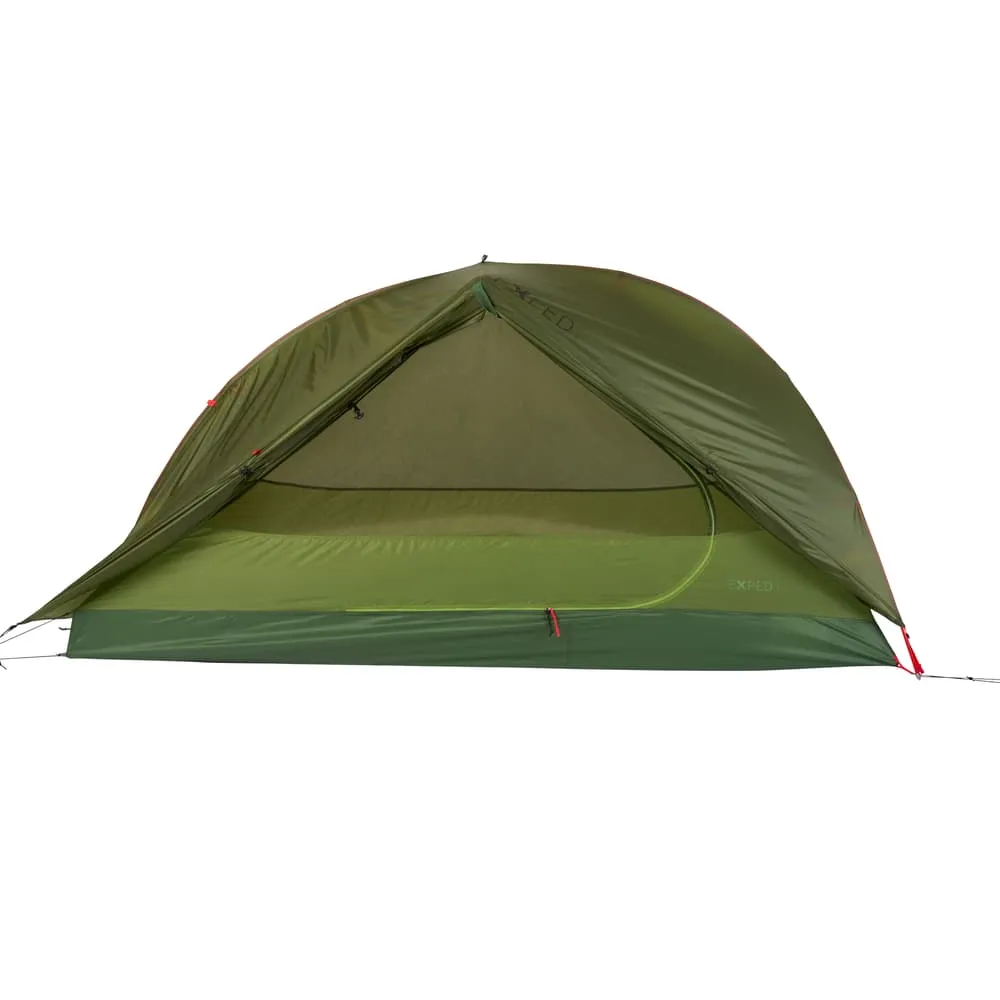
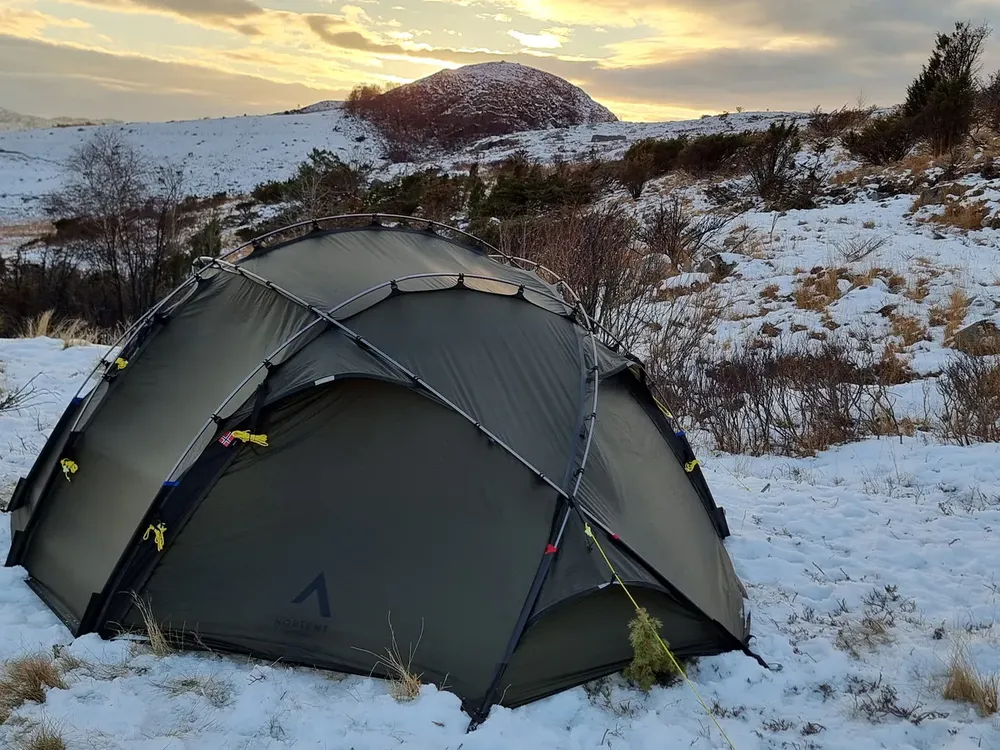
How to choose a tent
Shape and wind
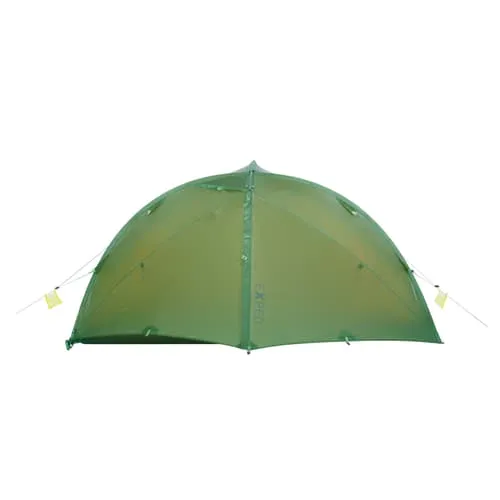
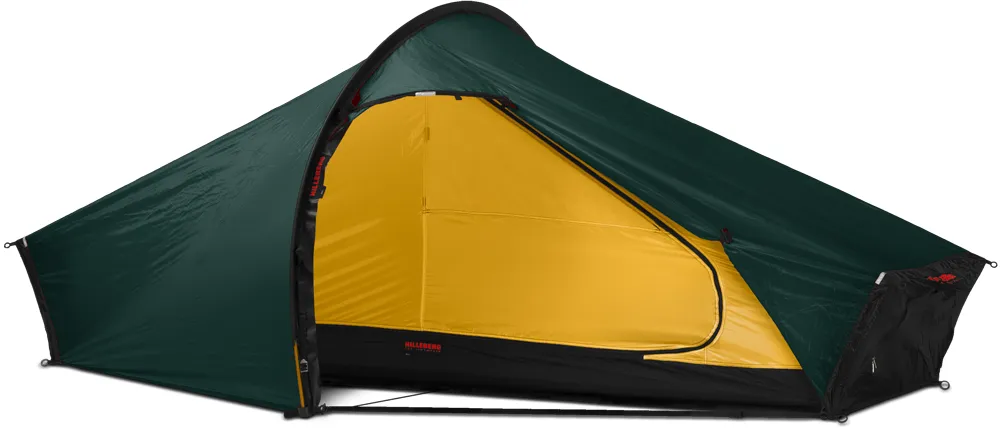
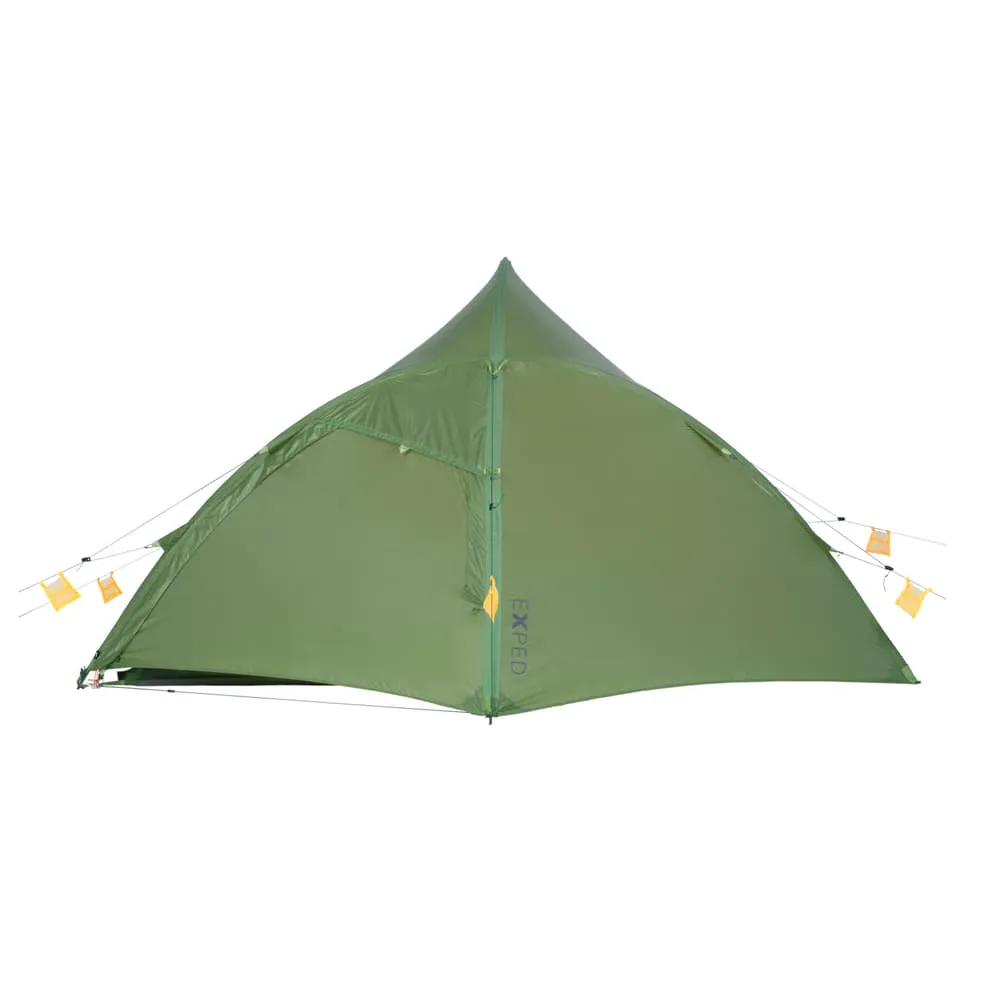
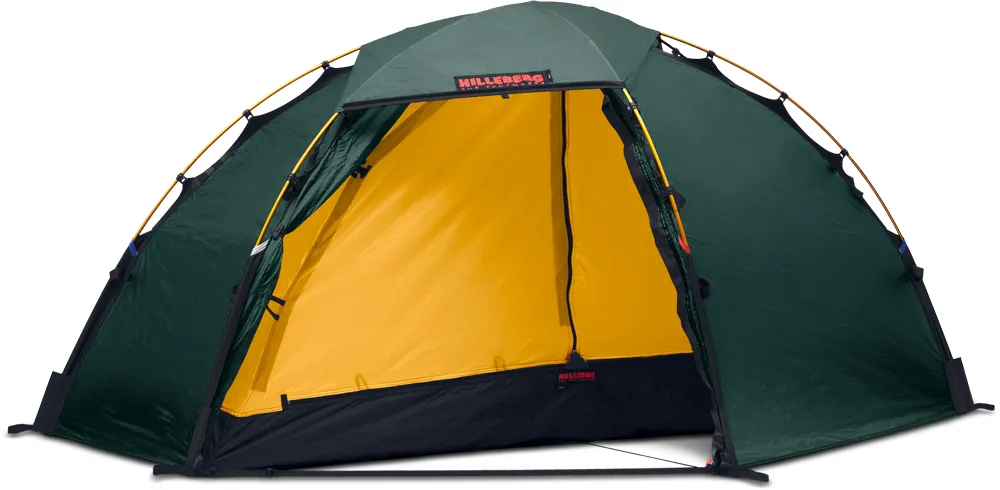
Shape decides how a tent copes with wind. Geodesic tents shed wind from every angle. Semi-geodesic tents sit between a dome and a geodesic: stronger than a dome, lighter than a geodesic. Domes have high, sloping walls that can catch strong crosswinds, and the bigger the dome, the less stable it is. Tunnel tents need their guylines pegged out properly to stand up to strong wind. Our Wind score sums up how steady each tent stays on open ground, from tests and reviews.
Pitching
Whatever the shape, peg out the guylines and pitch with the door facing away from the wind. An inner-first tent is tricky to pitch in rain without leaving its mesh inner exposed. Our Pitching score shows how testers got on.
Rain
Rain protection starts with the flysheet's hydrostatic head (HH), the water pressure the fabric holds before it leaks. 1,500 mm is the usual minimum for a fabric to be sold as waterproof. Shop guides suggest 3,000 to 5,000 mm for sustained UK rain. Our Rain protection score gives 7 or 8 from 2,000 mm, keeps 9 and 10 for tents that reviews say stay dry in real storms, and takes off a band if the groundsheet is under 2,000 mm.
Space and berths
Berth numbers are snug: a four-berth tent fits two or three people and their gear. If two of you share, porch size matters, and two porches help if you cook separately. Vents placed high let rising warm air out, which our Condensation score reflects.
What we score
Weight
From maker's figuresHow much it adds to your pack.
Rain protection
From maker's figuresHow well it keeps out heavy, long rain.
Wind
From reviews, or the maker's specsHow steady it stays in strong wind on open ground.
Space
From maker's figuresRoom to lie, sit up and keep kit inside.
Packed size
From maker's figuresHow much room it takes in your rucksack.
Pitching
From reviews, or the maker's specsHow quickly and easily one person can pitch it, including in wind and rain.
Condensation
From reviews, or the maker's specsHow dry it stays inside on still, damp nights; higher is drier.
Durability
From reviews, or the maker's specsHow well the fabric, poles, zips and seams hold up over seasons of use.