Gloves and mitts
Scored on warmth, weight and waterproofing.
Shop prices checked 23 November 2026.
Quick picks
Best all-rounder · Best value
Sealskinz Kelling Waterproof All Weather Insulated GloveEvery score 7+, joint top of 2
From £38.47 · 108 g
Best lightweight
Sealskinz Griston Waterproof All Weather Lightweight GloveEvery score 7+
From £45 · 95 g
From our scores and shop prices, in stock only. How we pick
Gloves and mitts we've scored
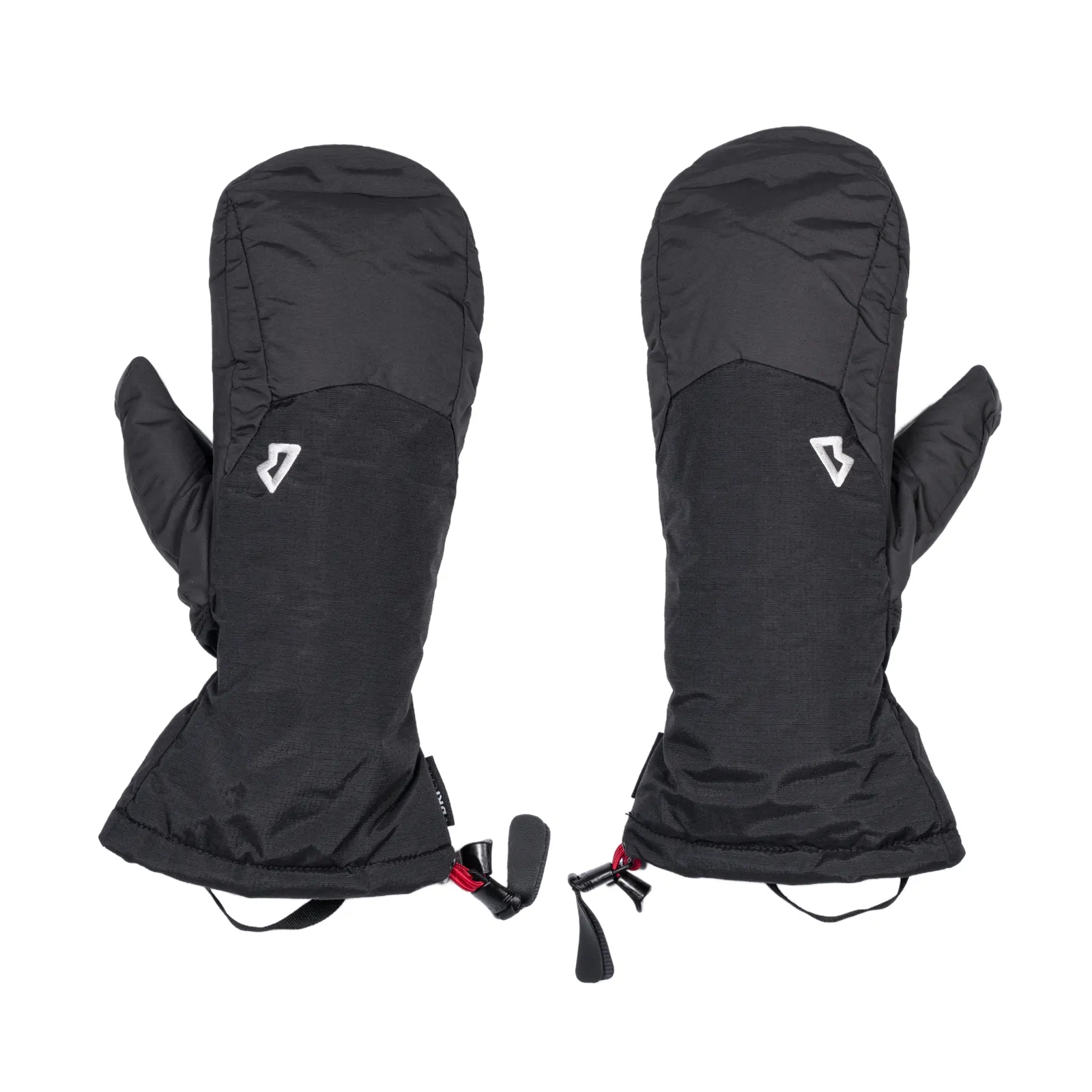
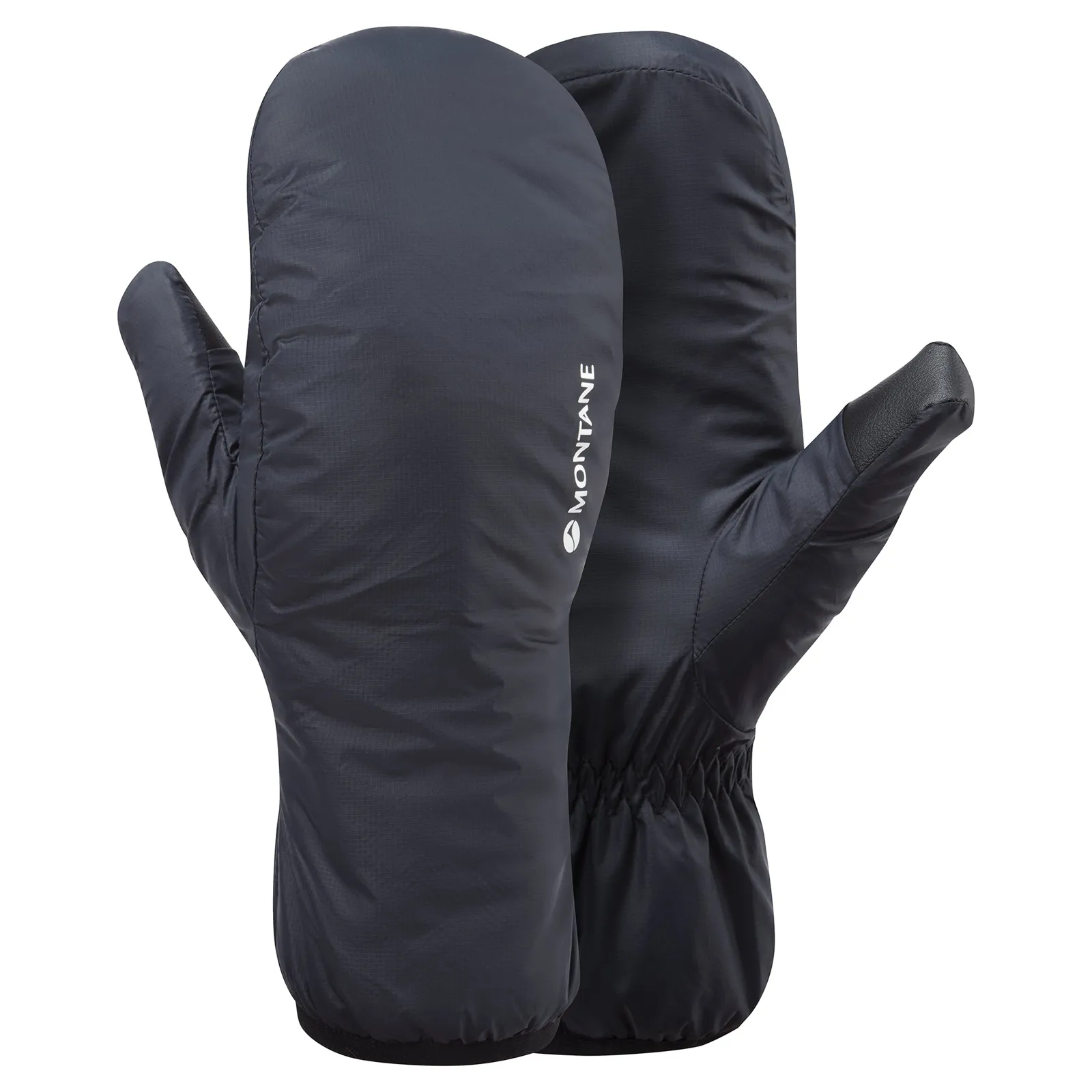
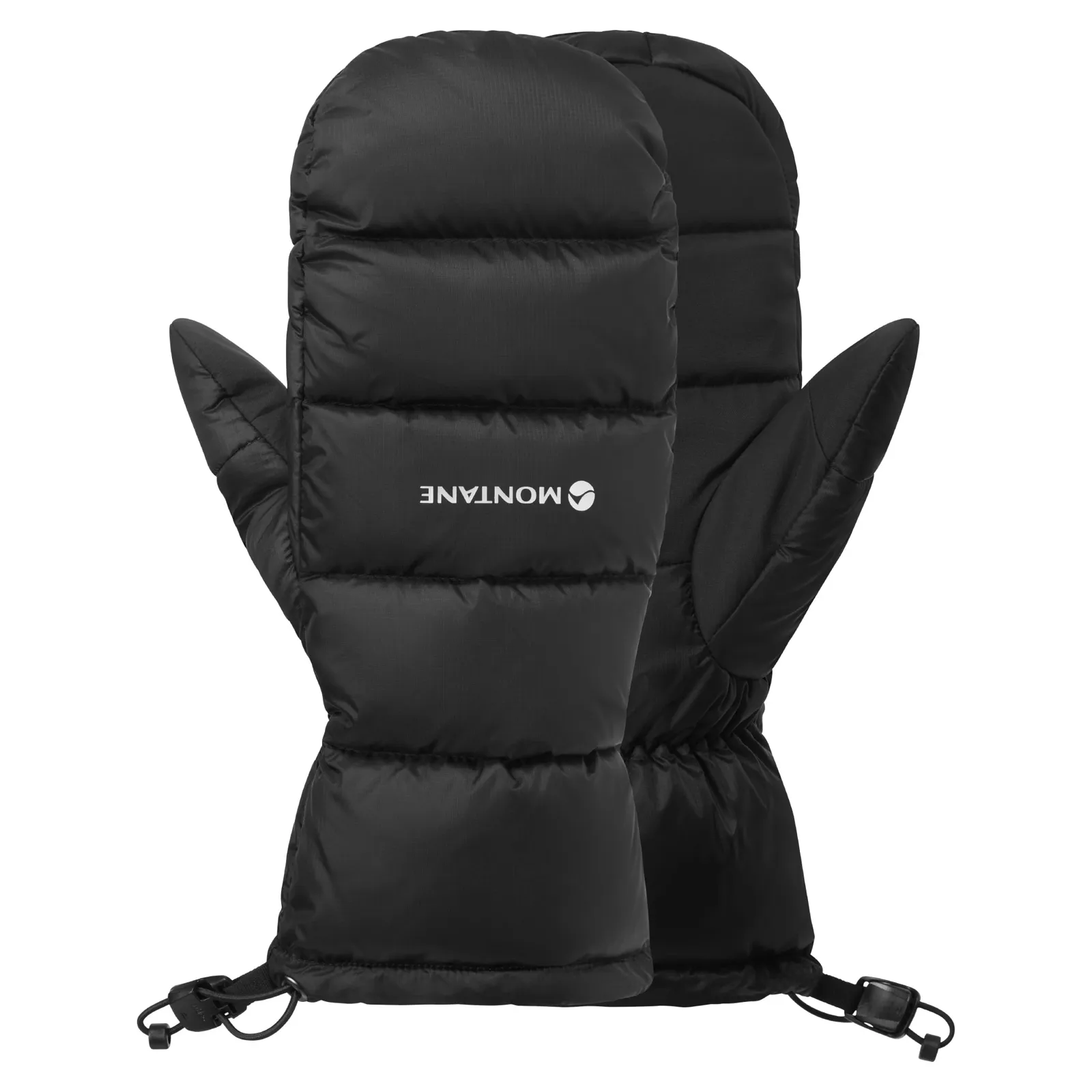
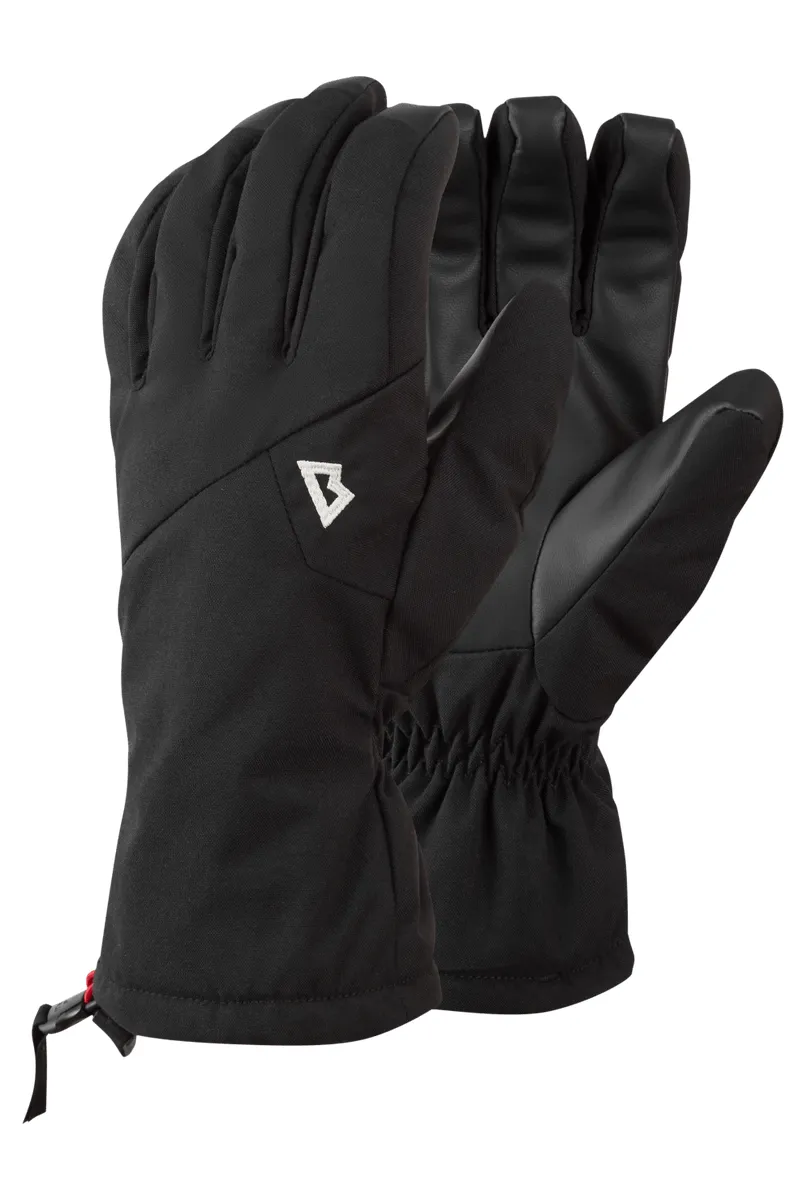
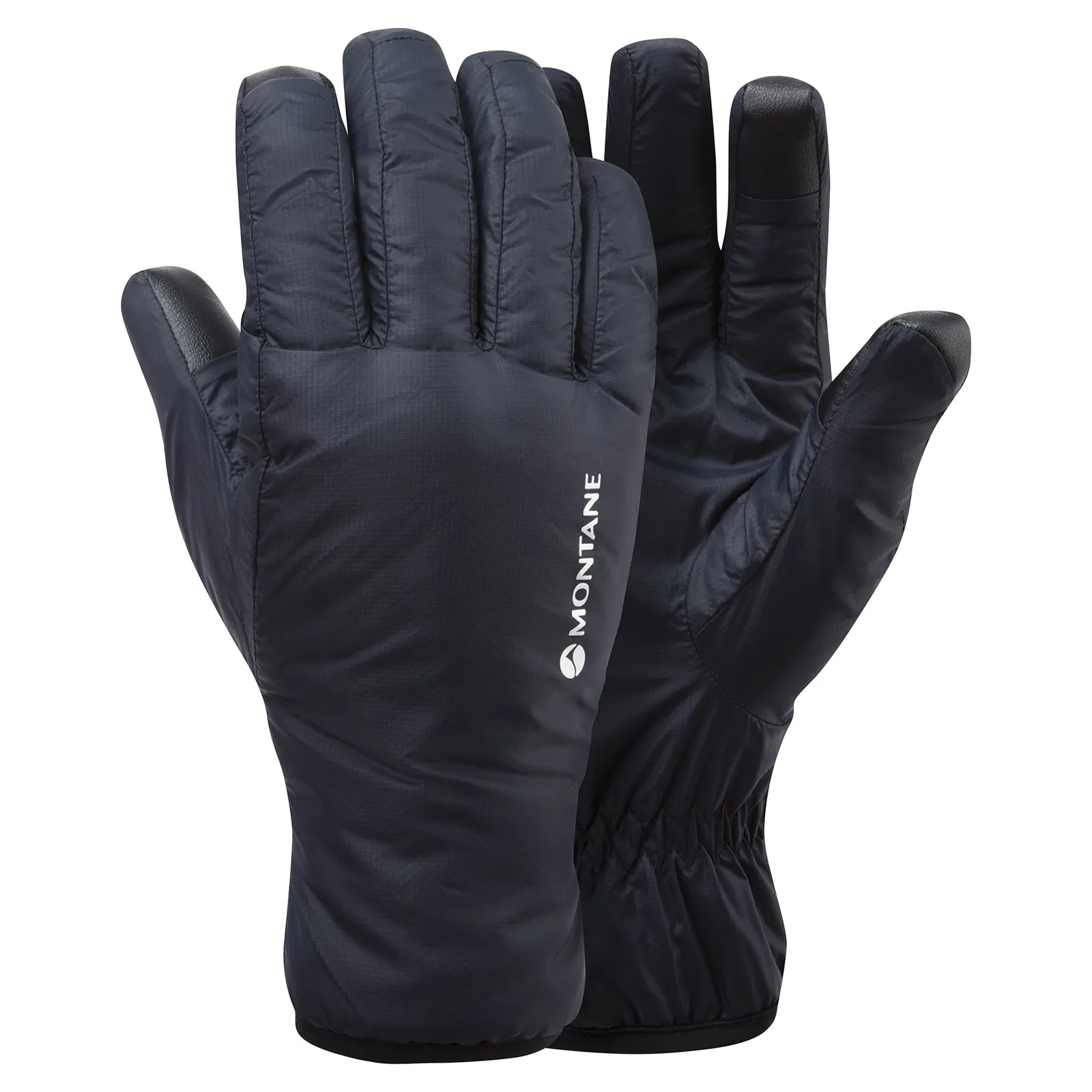
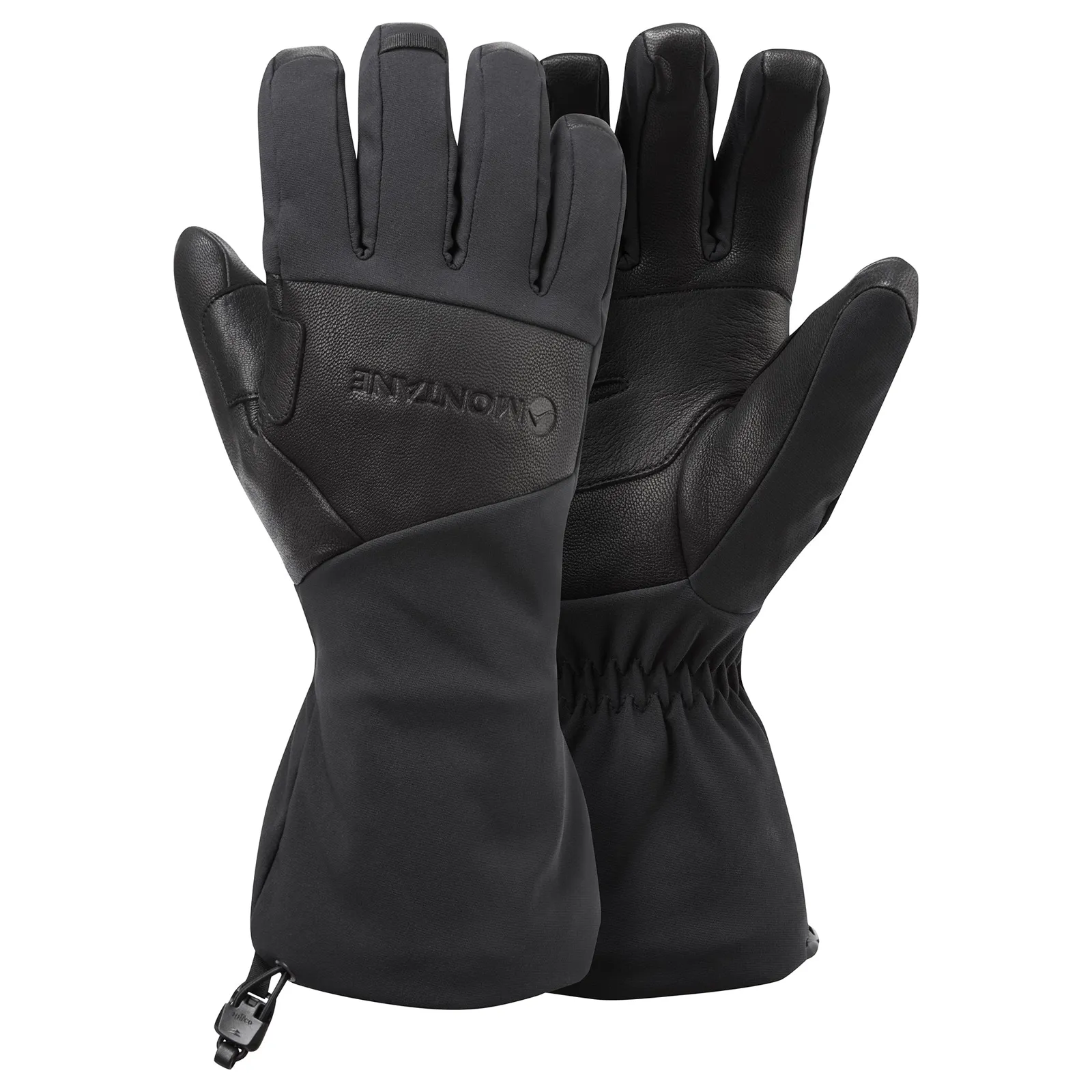
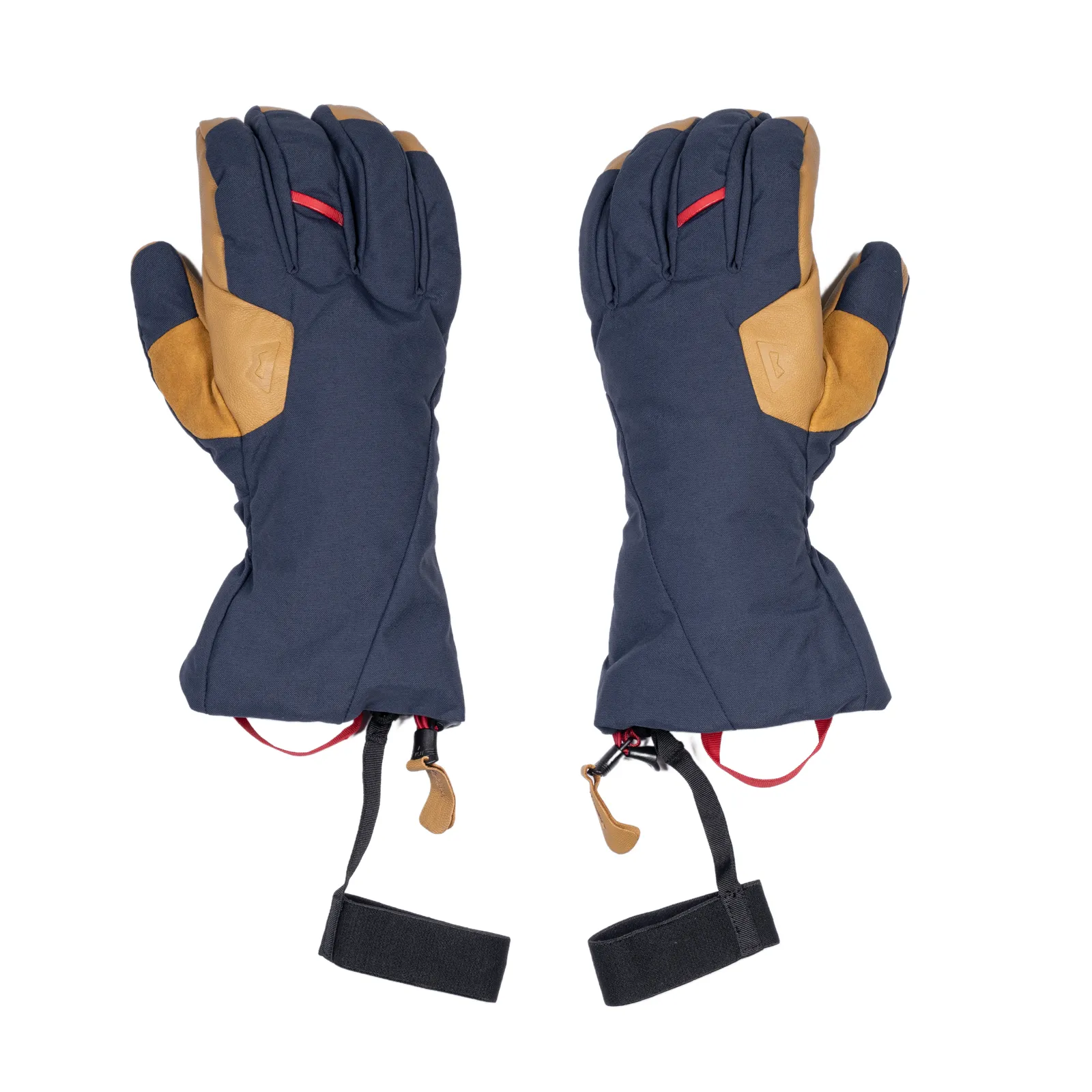
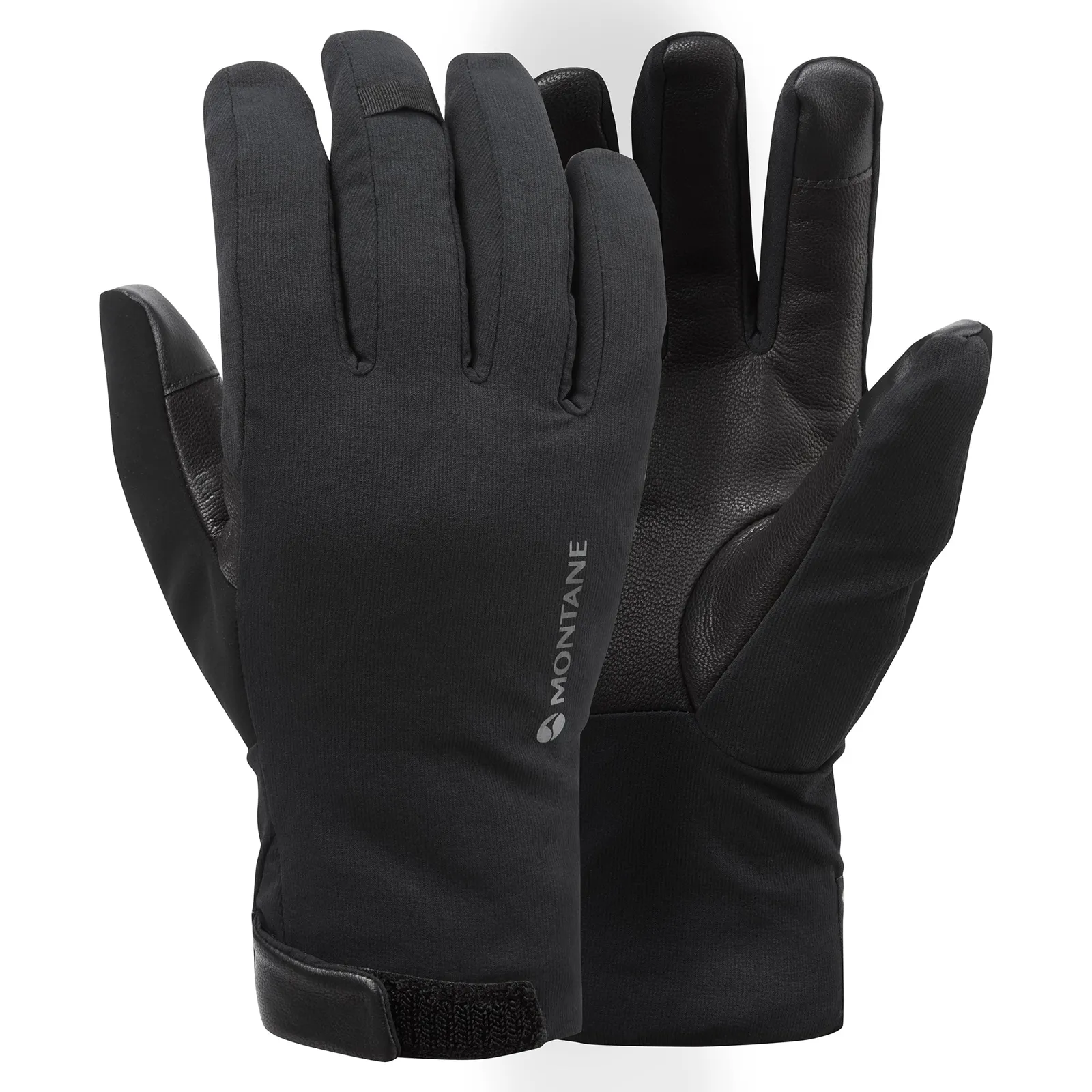
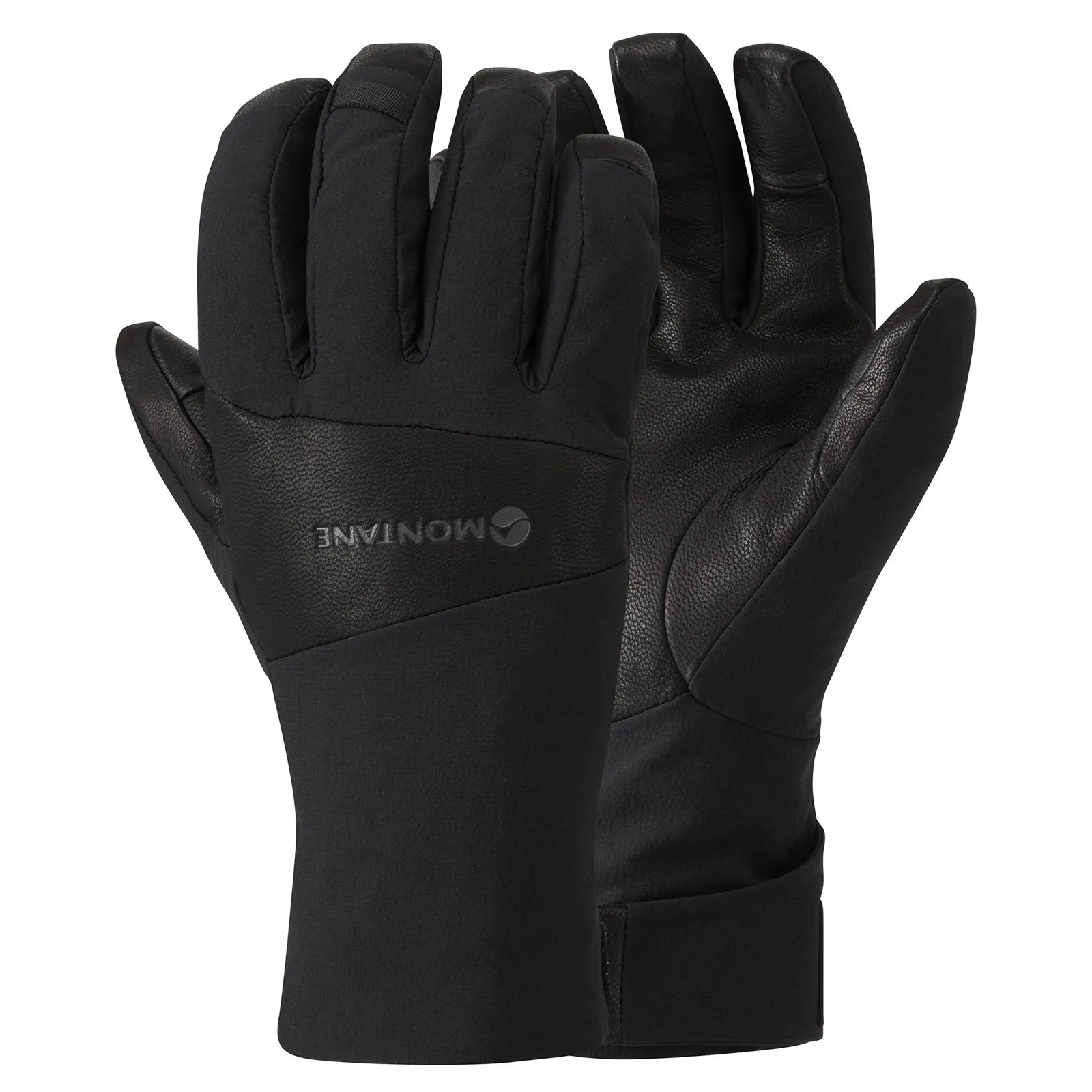
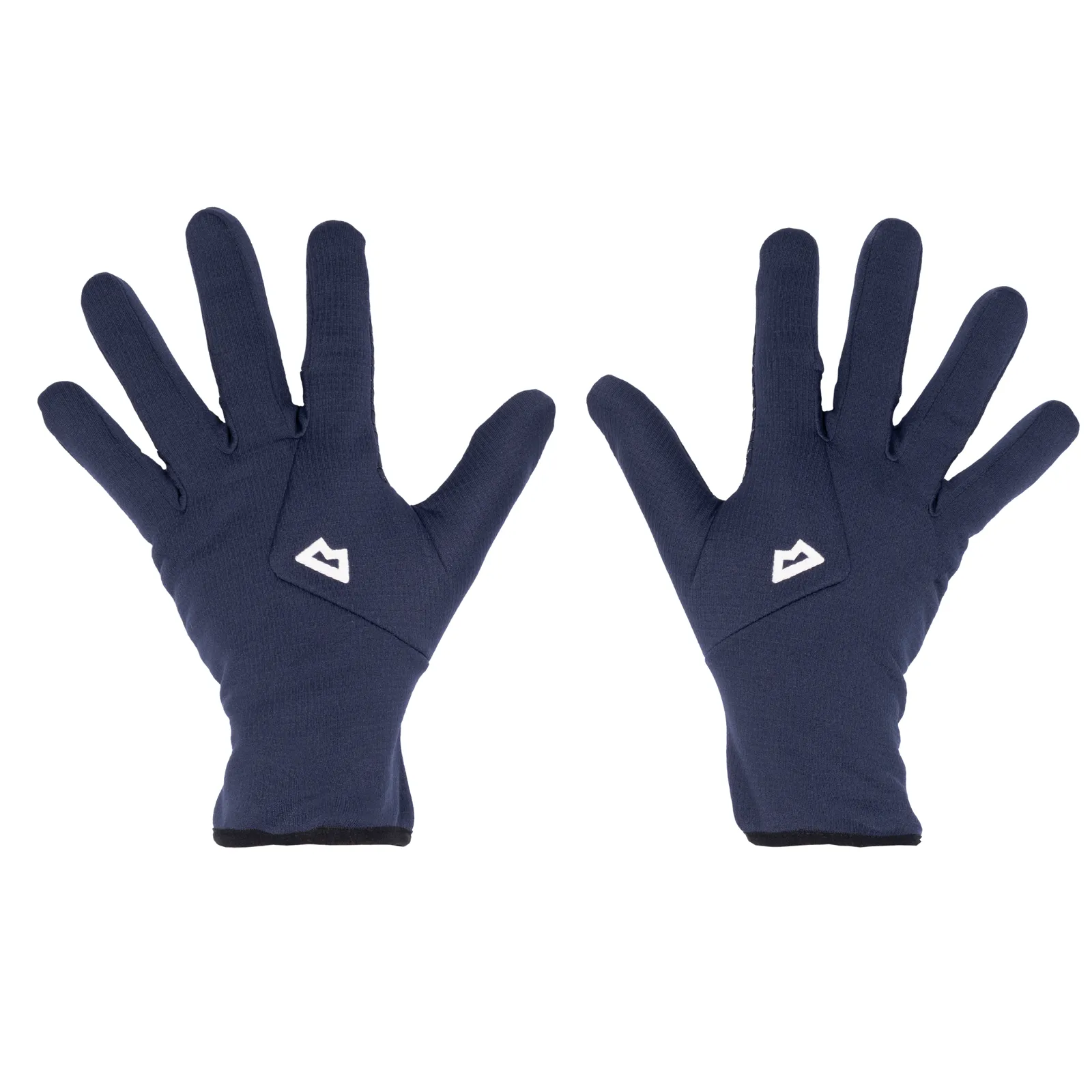
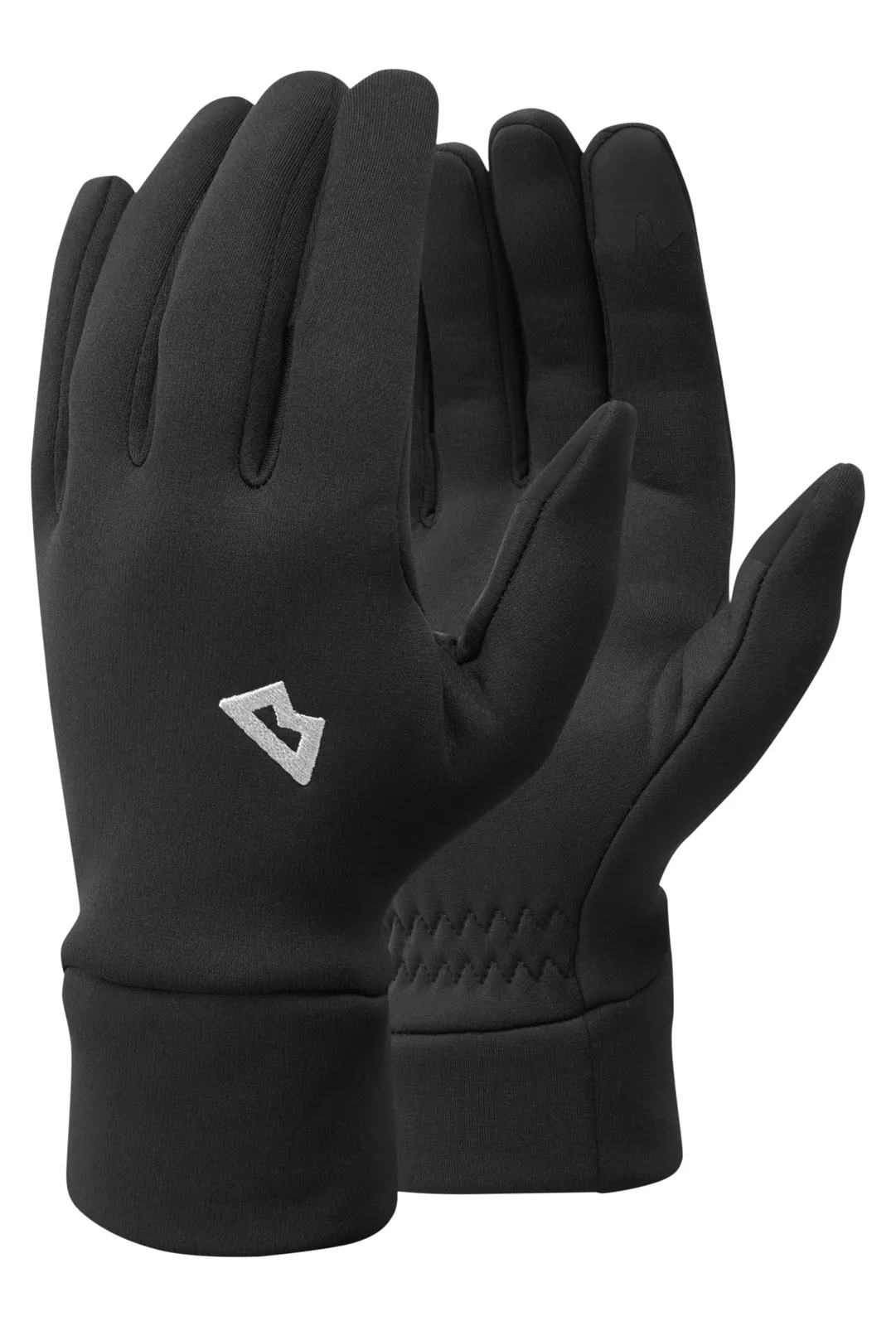
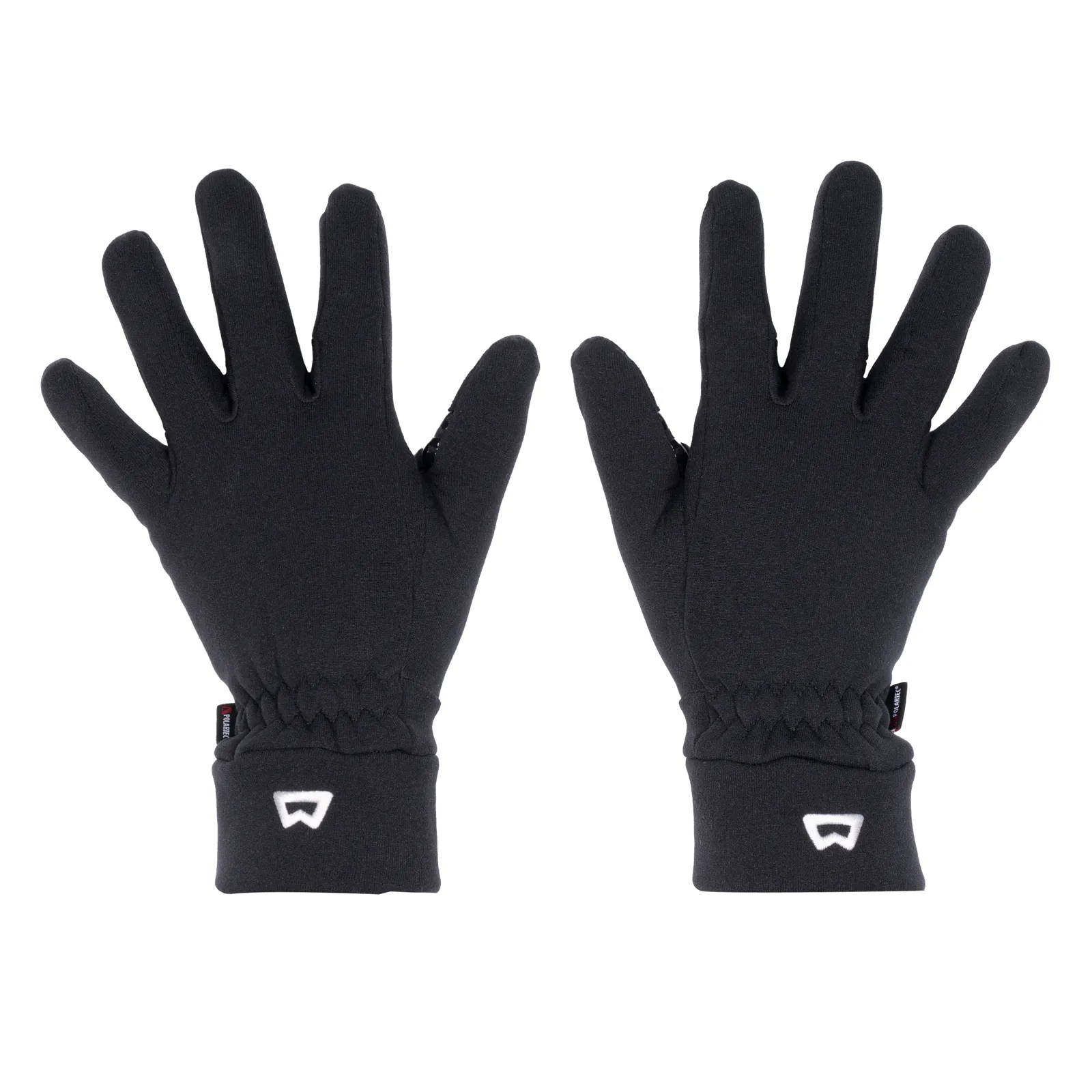
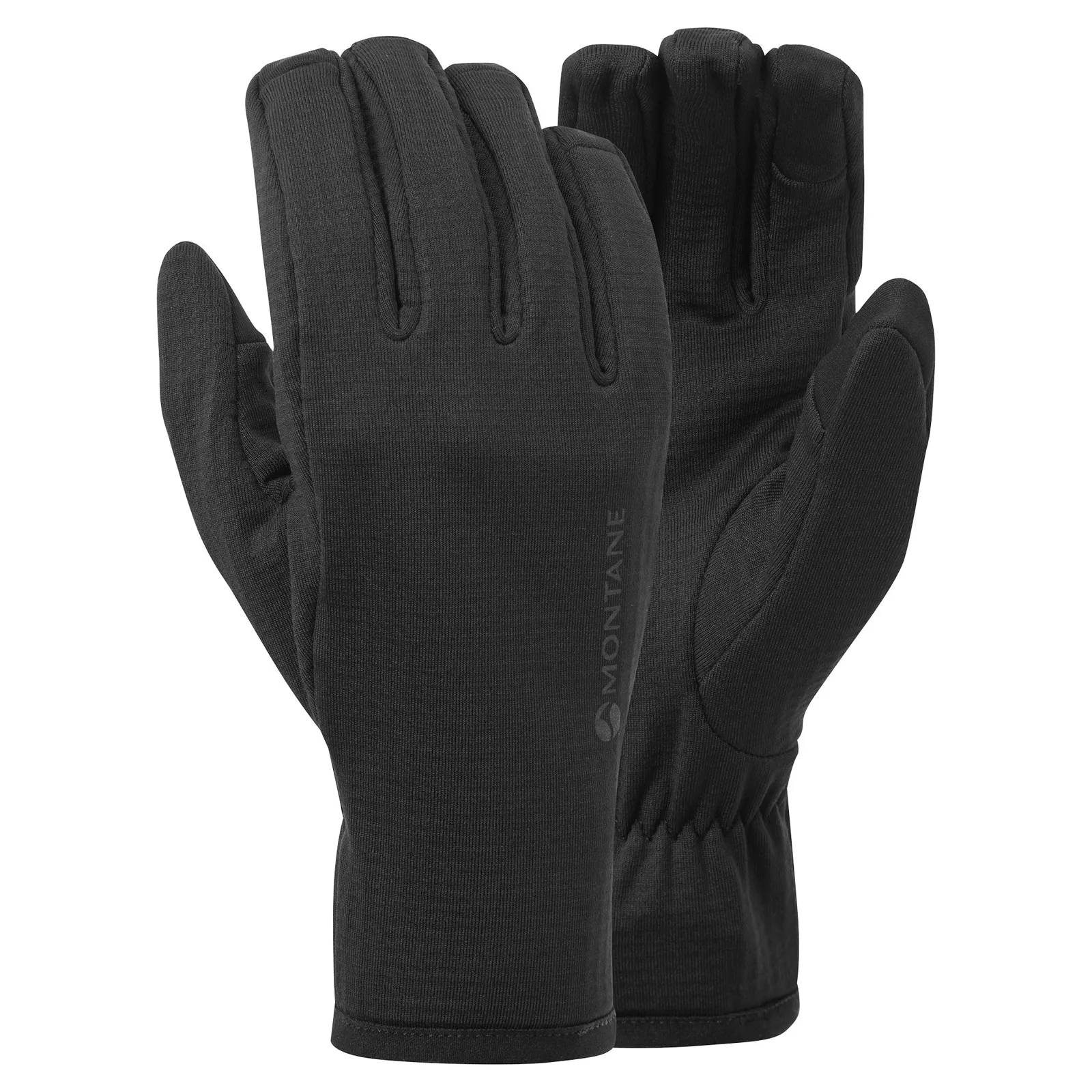
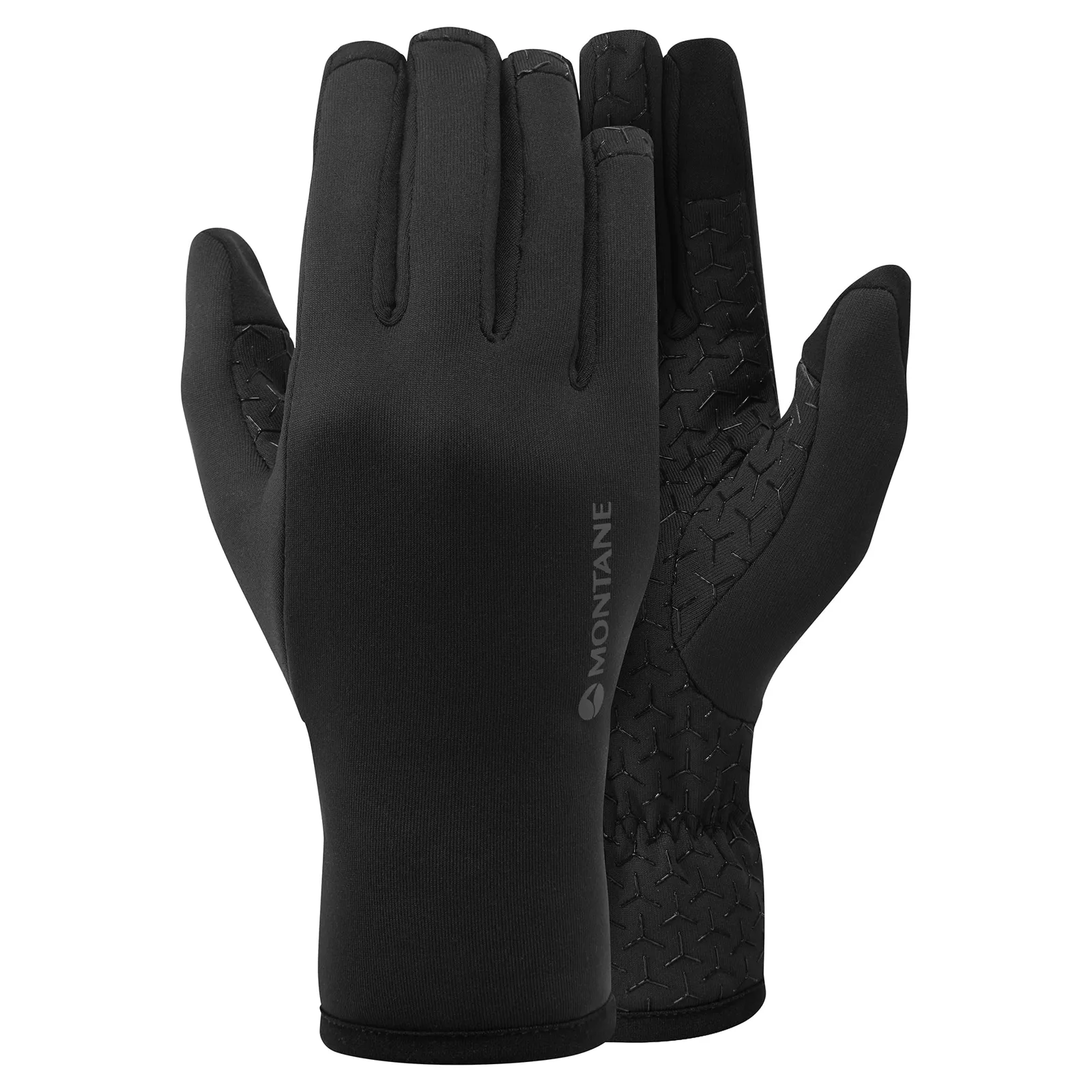
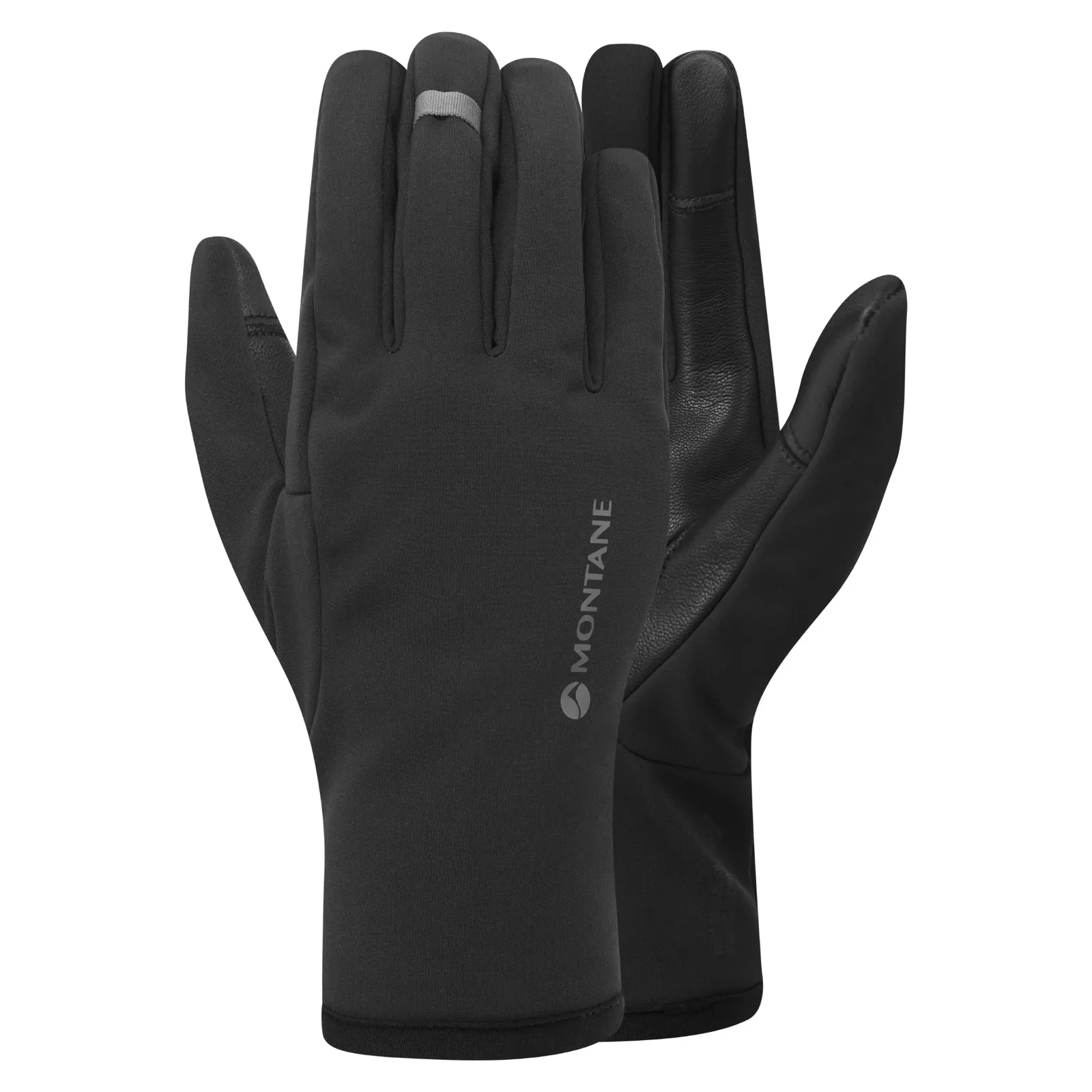
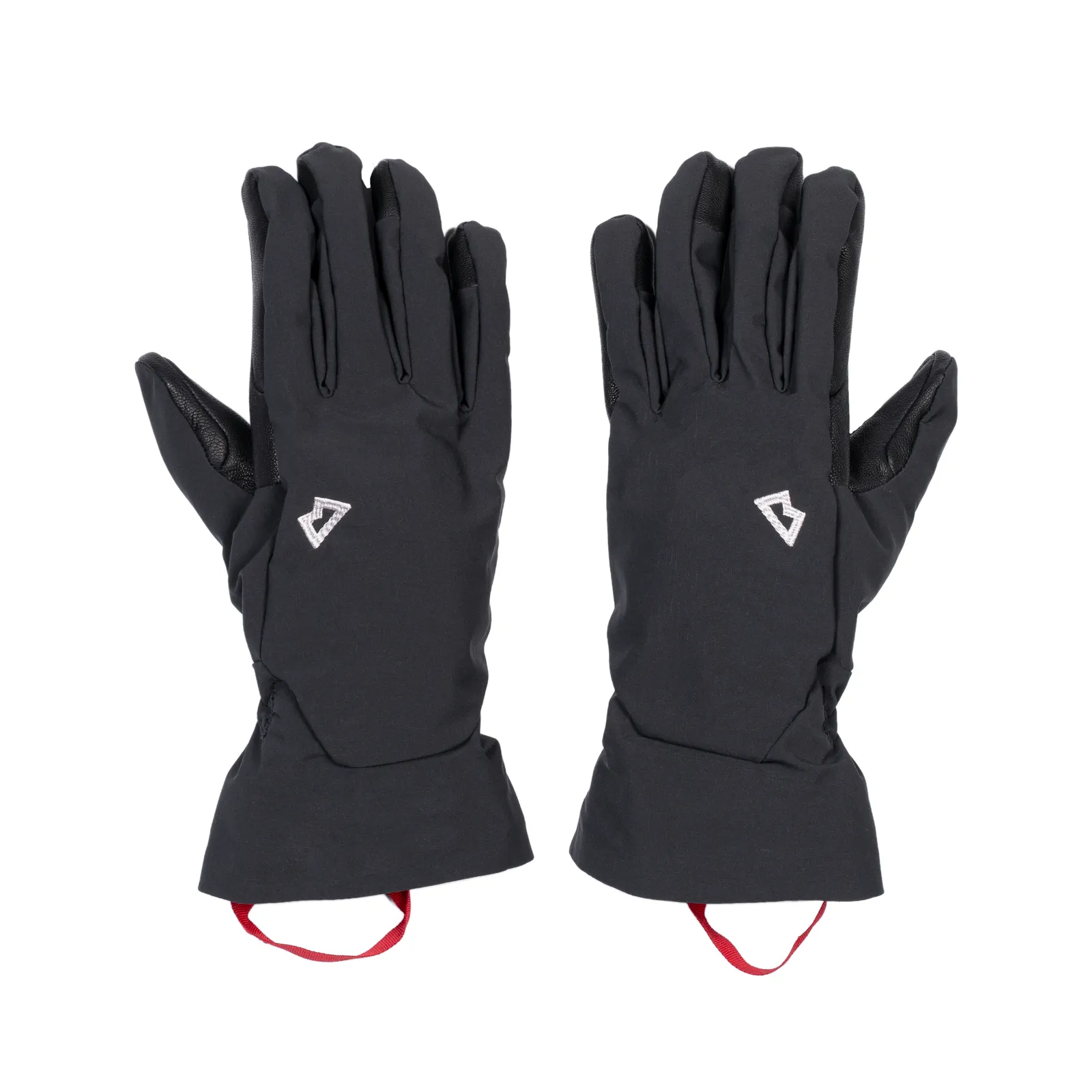
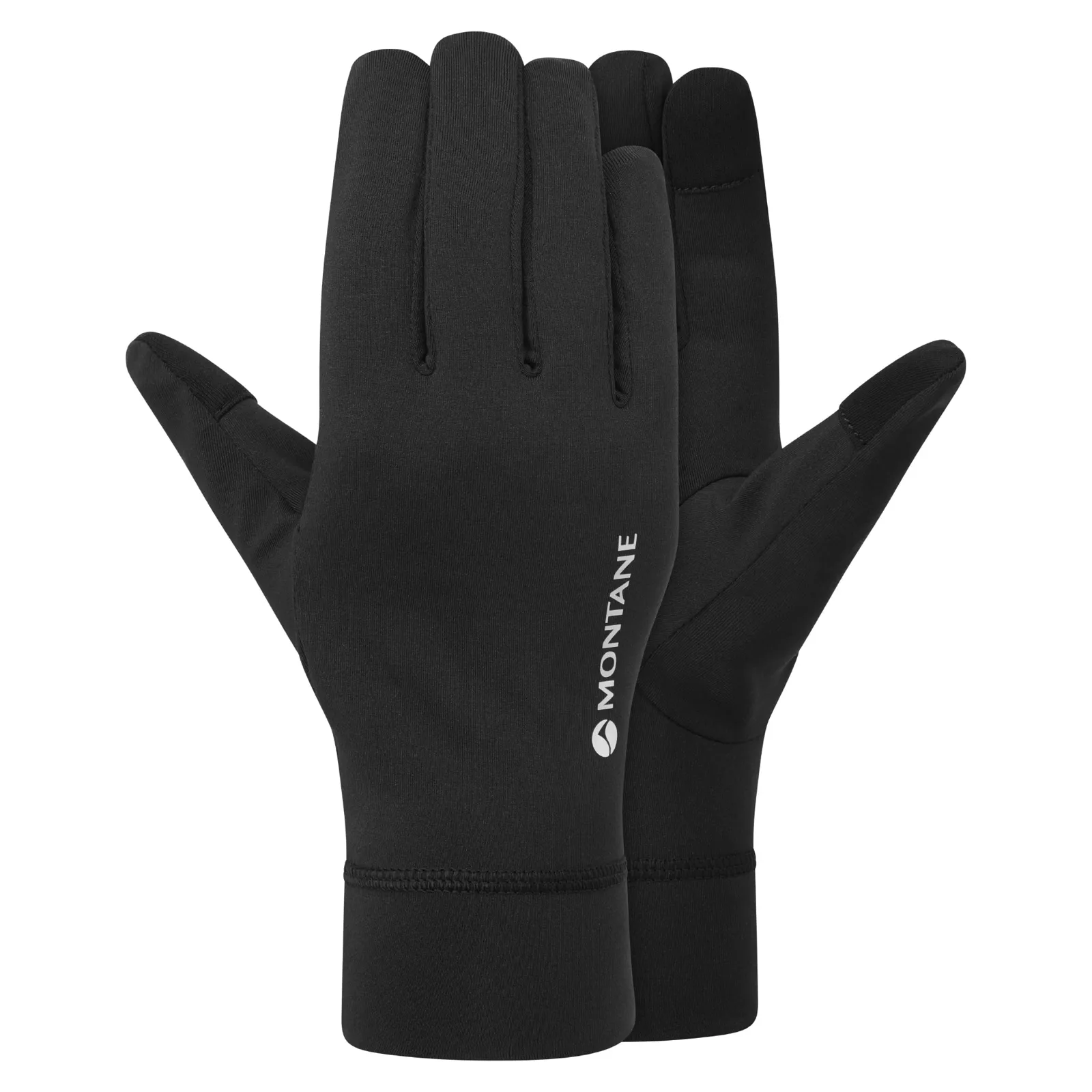
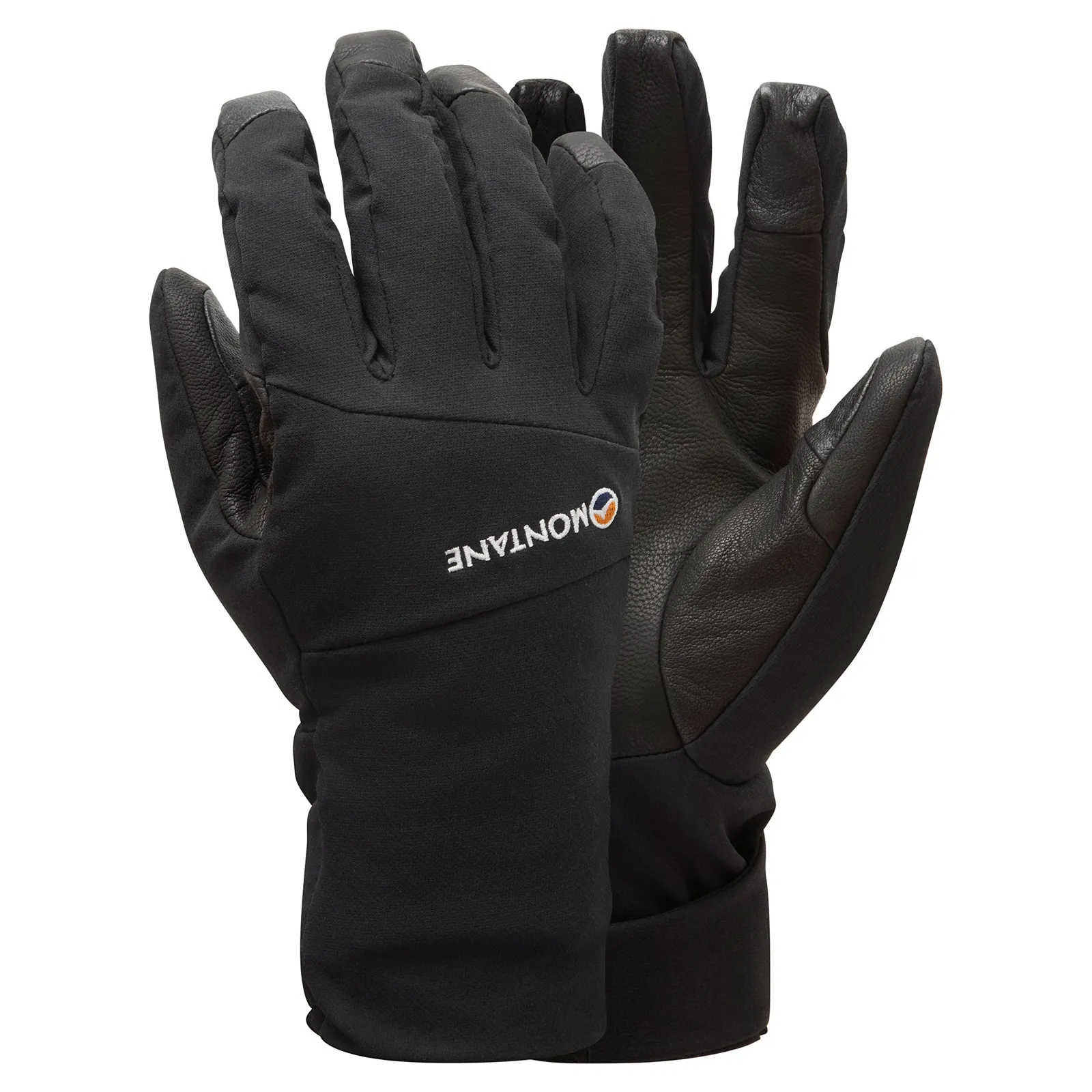
Showing 24 of 53
How to choose gloves
Glove types
Liner gloves are thin and close-fitting, worn alone in mild weather or under a heavier glove. Fleece gloves are light and breathable. Insulated gloves trap heat in synthetic or down fill, and softshell gloves block wind and light rain. Mitts keep your fingers together, which traps more heat than gloves do. Our Type filter sorts gloves by these five.
Dexterity or warmth
Gloves give you much more finger control, and mitts give you more warmth. Pick gloves for jobs like tying knots, and mitts for standing still in the cold. If you are working hard, you make your own heat, so thinner gloves do the job. Warmer is not always better, because overheating makes hands sweat and the gloves damp. Our Warmth score shows how warm they keep your hands, and our Dexterity score shows how easily you can work zips, buckles and a phone.
Layering
Most people do better with more than one pair. A thin pair suits hard walking, and a thick pair suits slow moving or camp. Switch before your hands get cold, and pack a liner as a backup on long hill days. If you plan to wear liners under your gloves, try the gloves on with them. A slightly loose glove works with a liner, but a tight one cuts blood flow and leaves your hands colder.
Waterproofing
A waterproof glove has a membrane that keeps water out and lets sweat vapour escape. Waterproof is not always better. Water can still get in at the cuff or when you pull gloves on with wet hands, and a membrane can be slower to dry. A glove without a membrane may get damp, but it usually dries quickly. Our Waterproofing score shows how well the build keeps your hands dry and the wind out.
What we score
Warmth
From reviews, or the maker's specsHow warm they keep your hands at camp and on the move.
Weight
From maker's figuresHow much they add to your pack.
Waterproofing
From maker's figuresHow well they keep your hands dry and the wind out, from how they are made.
Dexterity
From reviews, or the maker's specsHow easily you can work zips, buckles and a phone with them on.
Durability
From reviews, or the maker's specsHow well the palms, seams and fingertips hold up over seasons of use.