Base layers
Scored on weight and warmth.
Shop prices checked 23 November 2026.
Quick picks
Best for warm days
Rab Men's Sonic Long Sleeve TeeWeight 10/10, joint top of 3
From £31.99 · 116 g
Best for cold days
Icebreaker 260 Tech Long Sleeve CreweWarmth 9/10, joint top of 2
From £84 · 310 g
From our scores and shop prices, in stock only. How we pick
Base layers we've scored
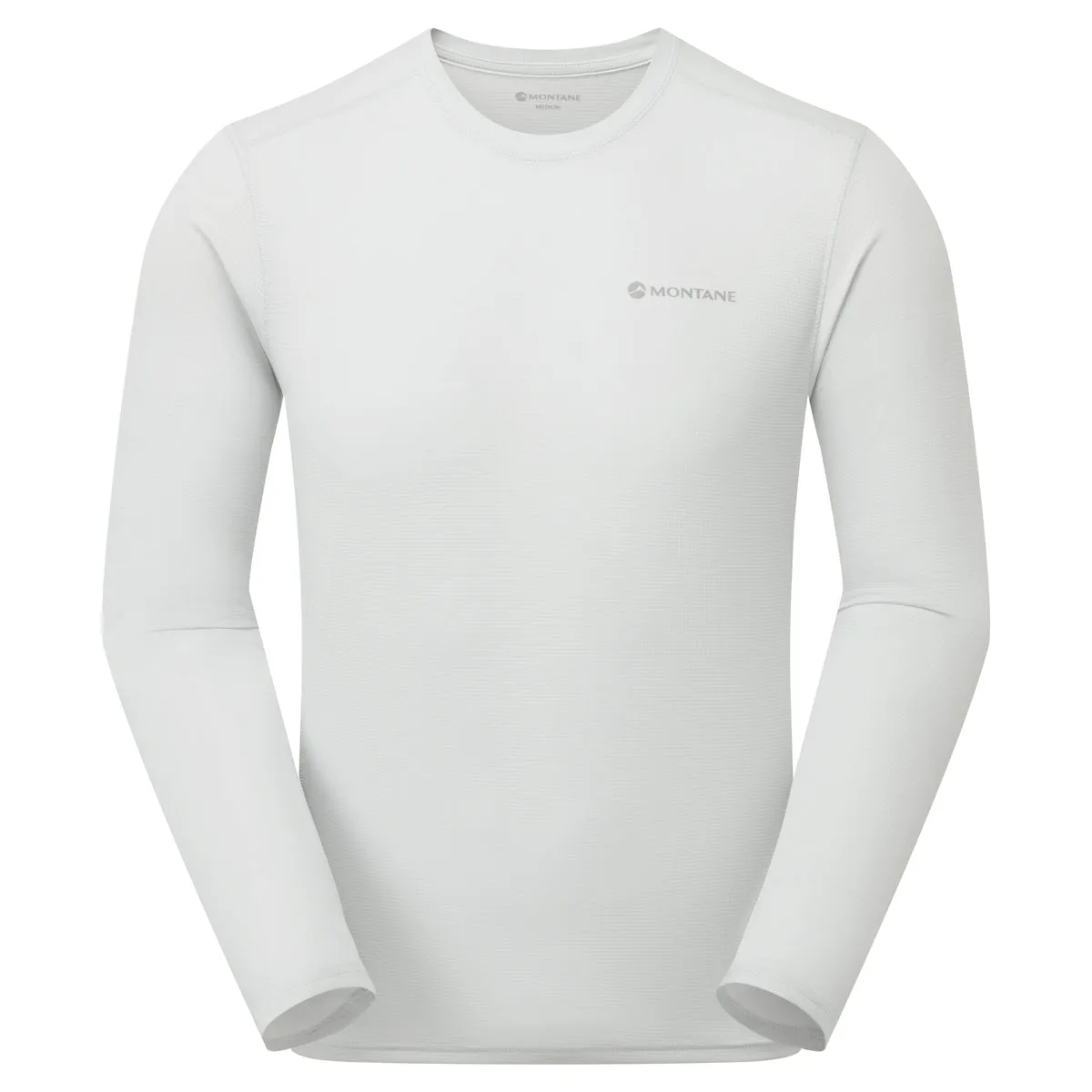
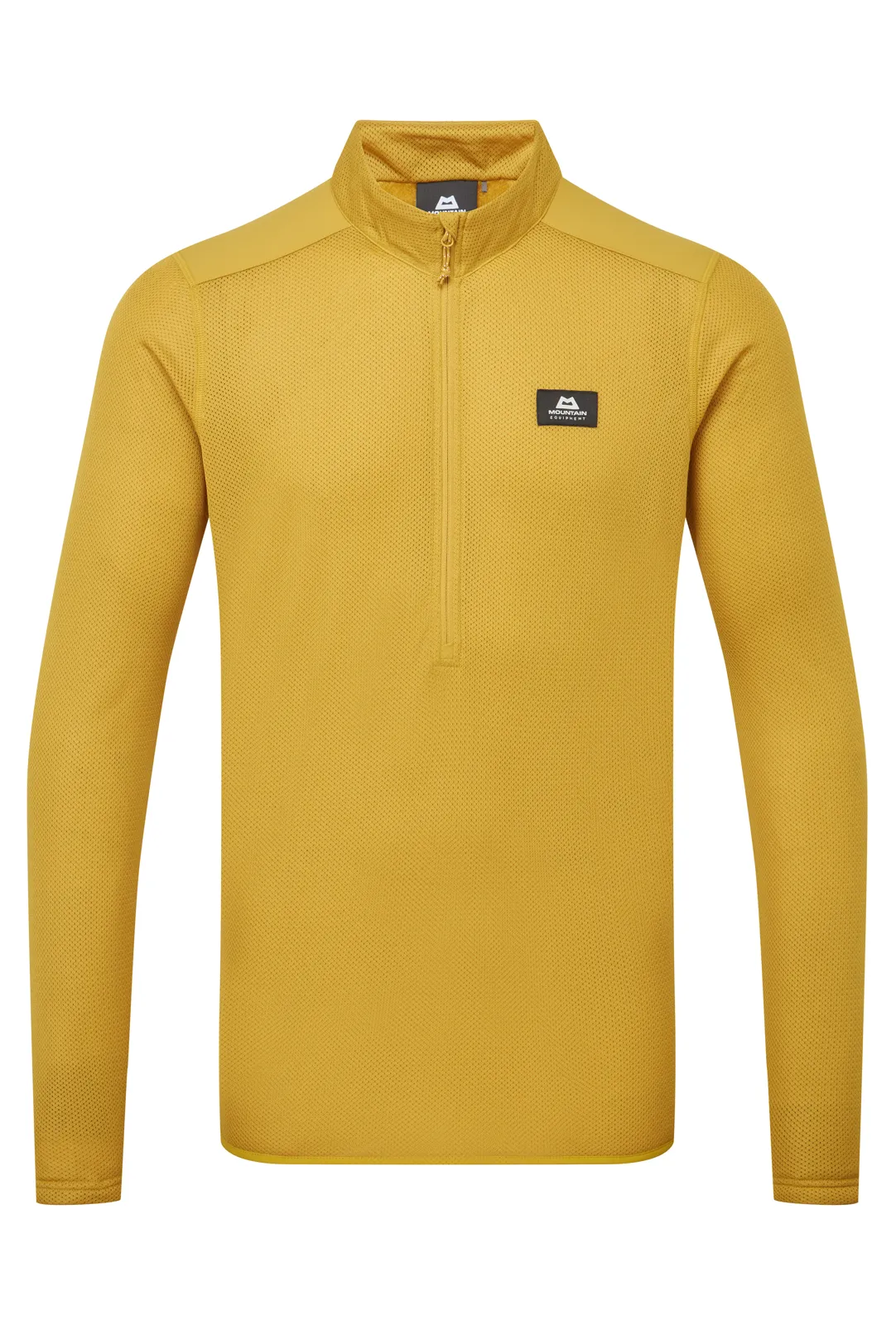
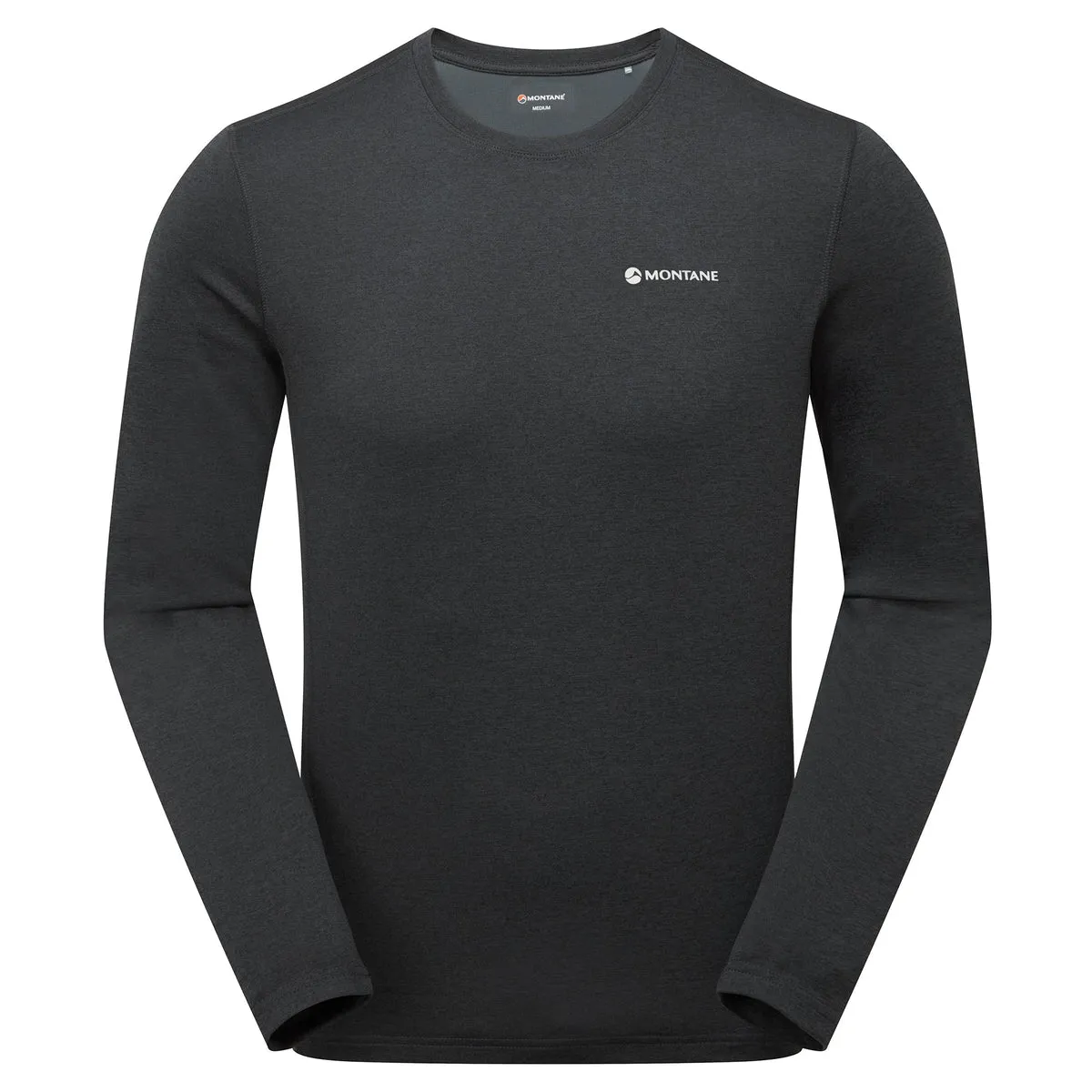
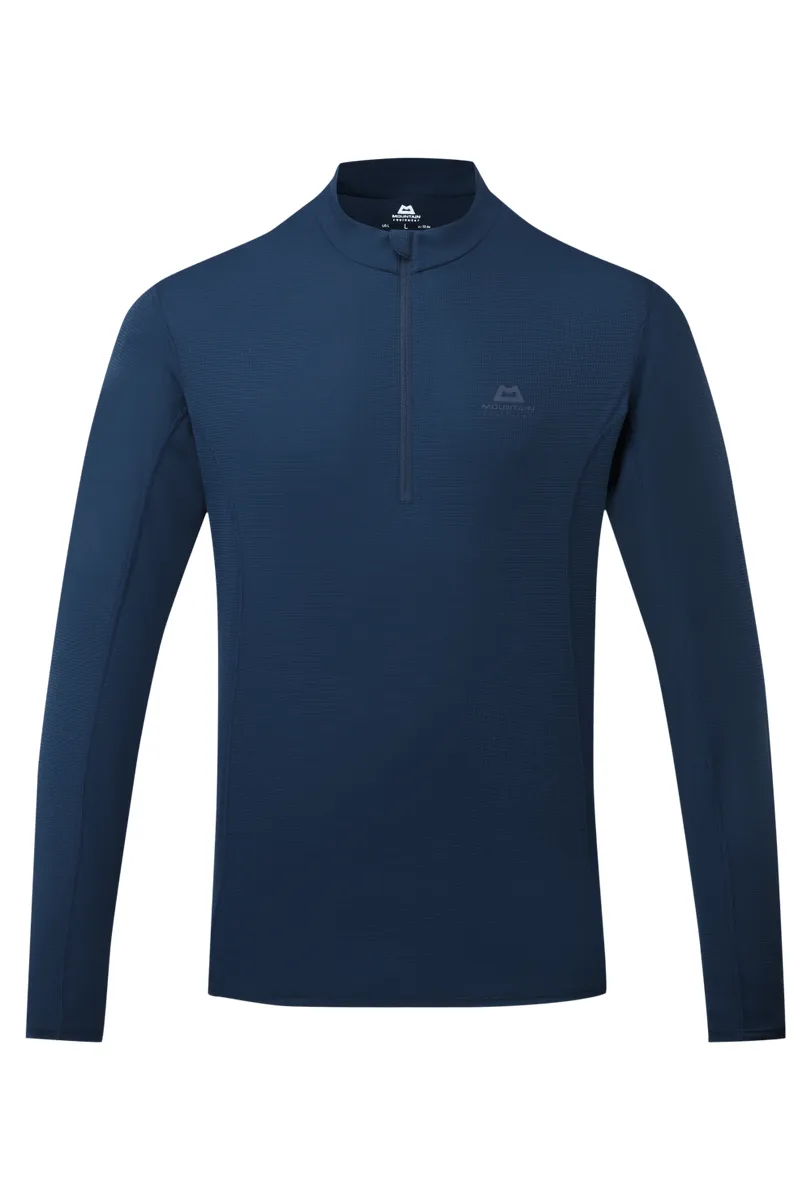
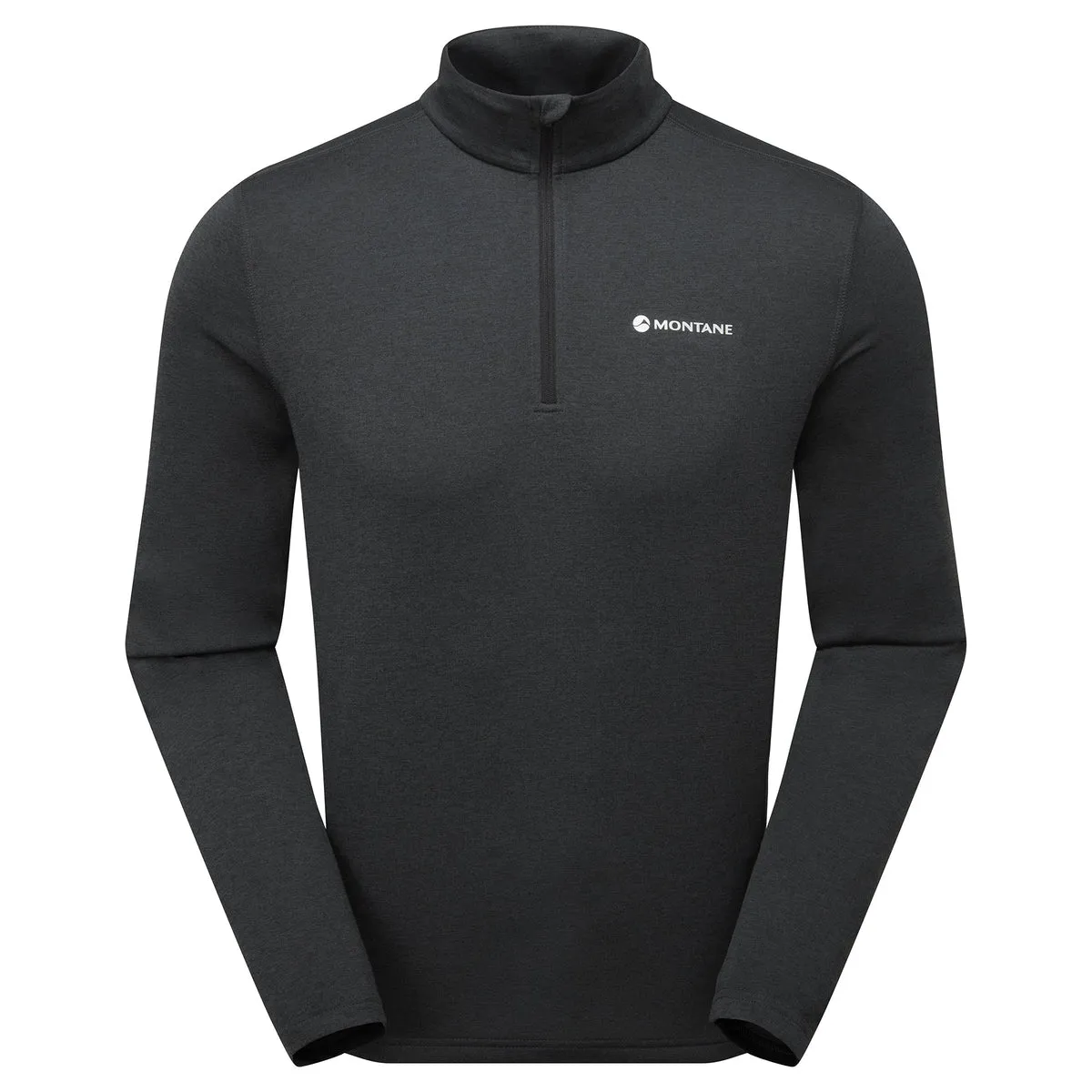
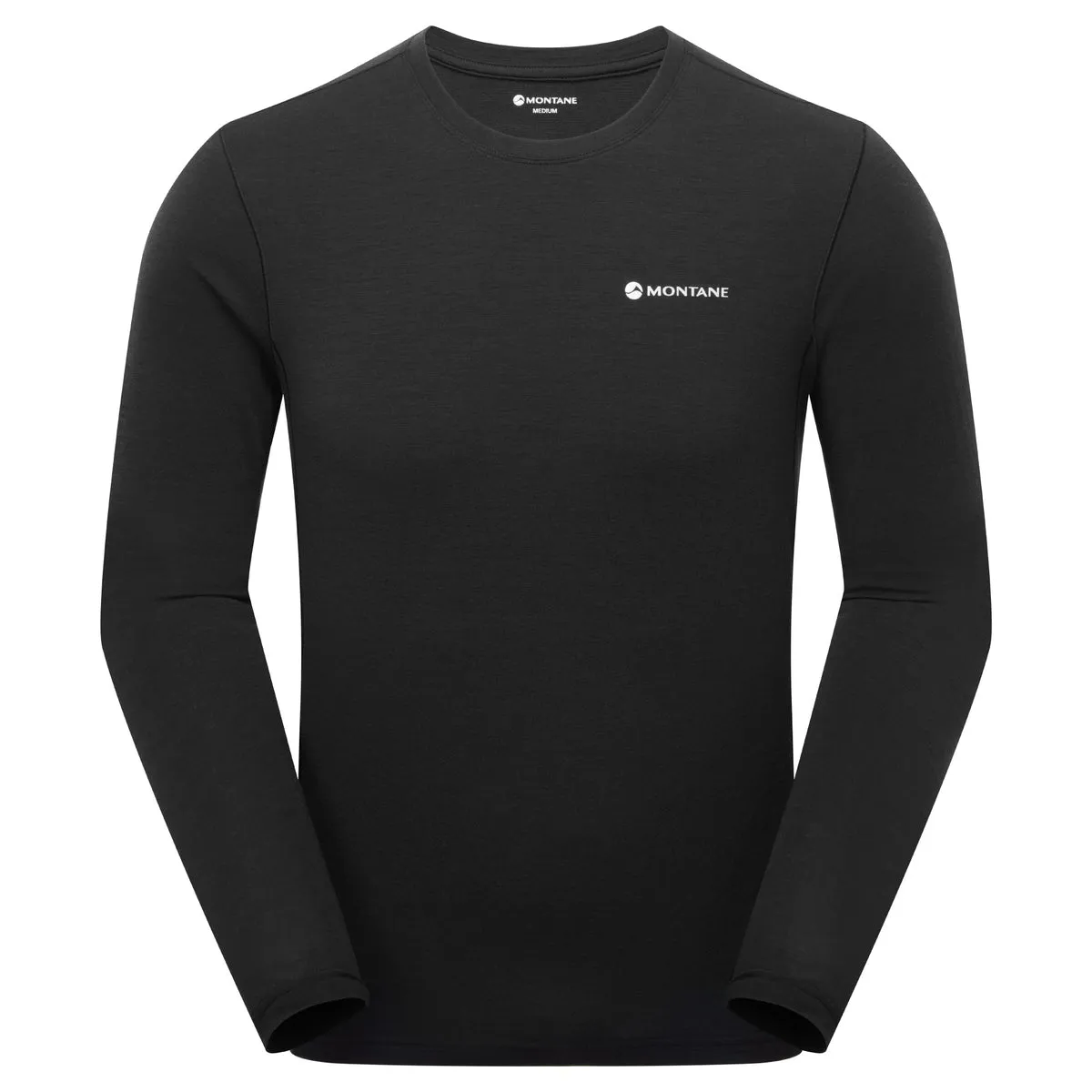
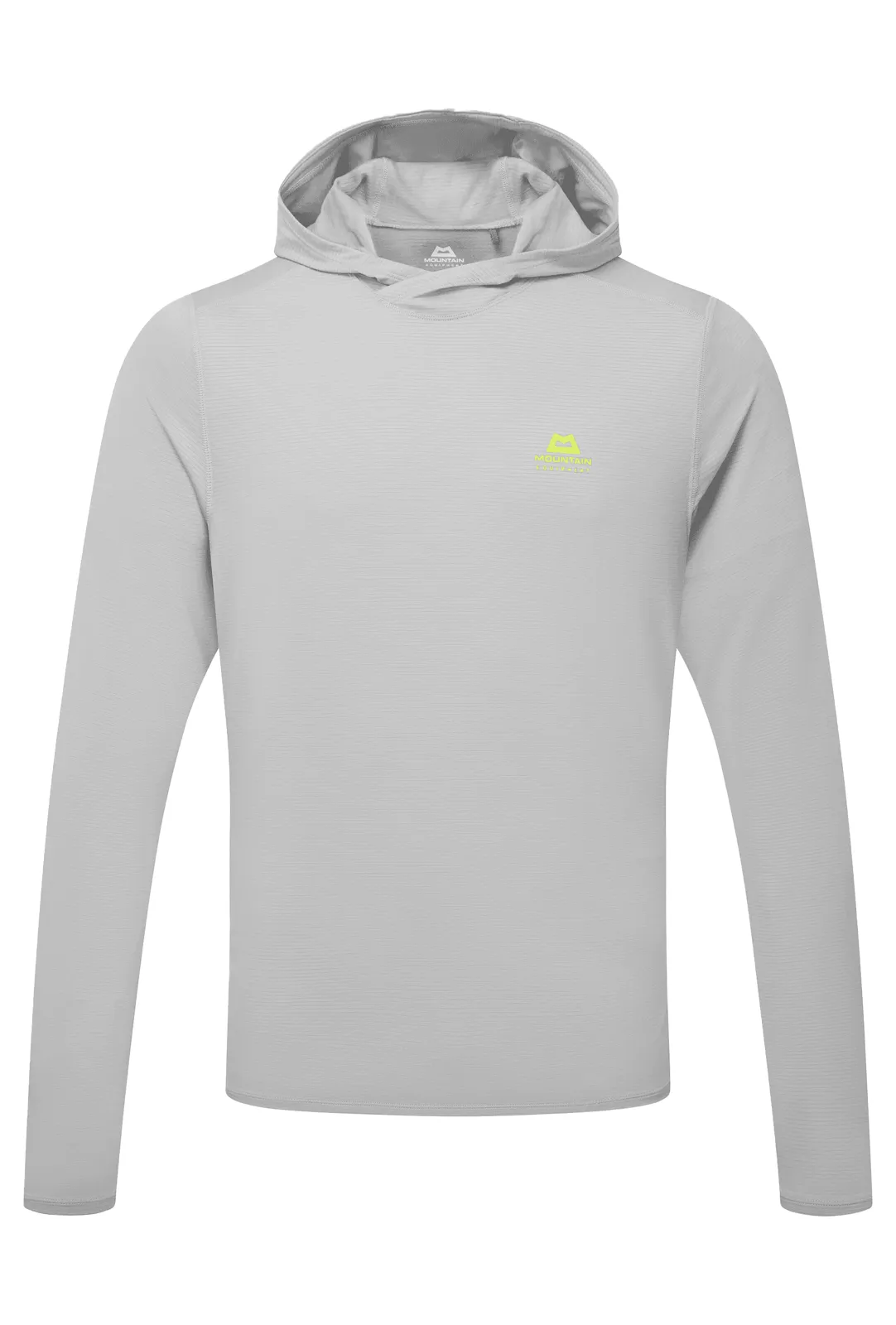
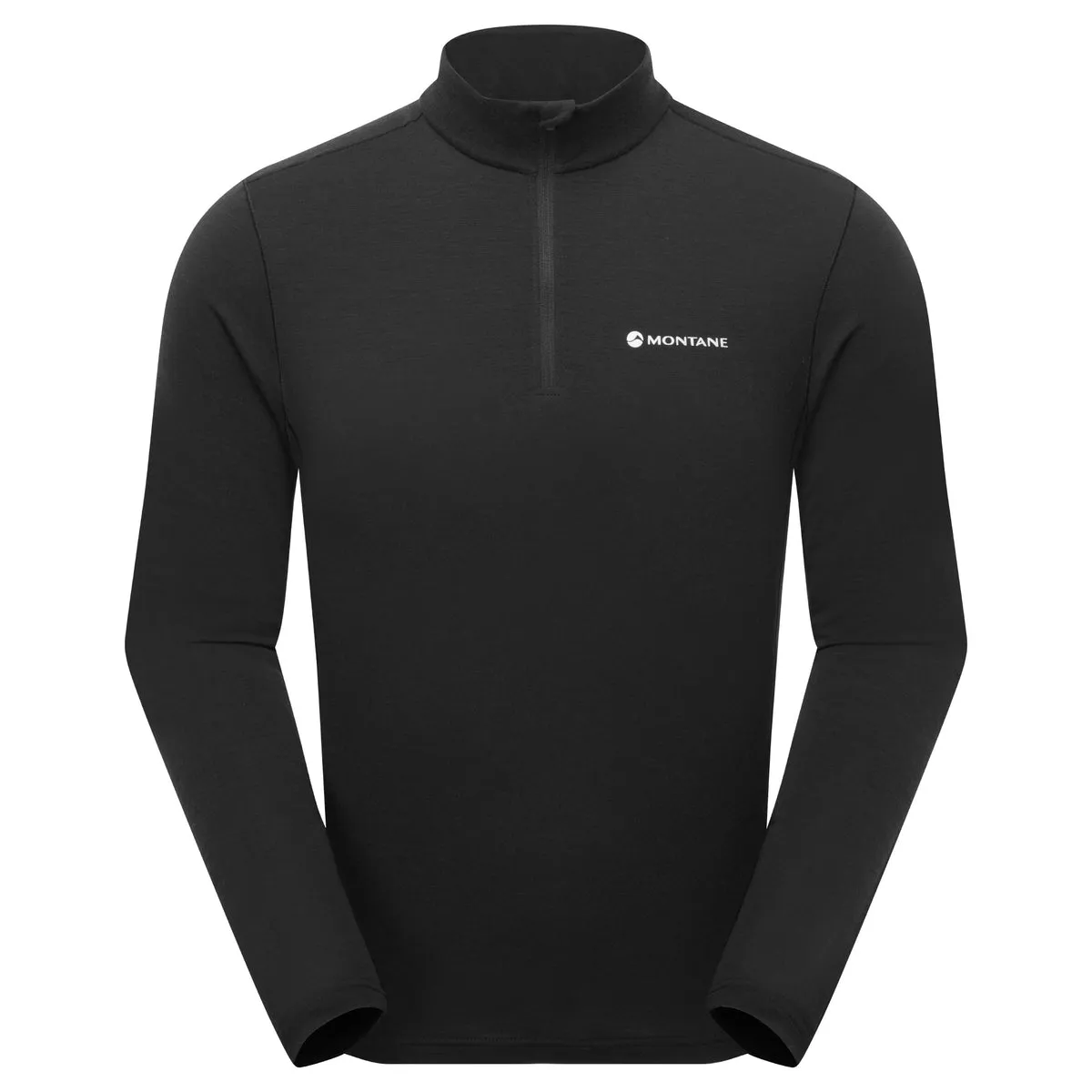
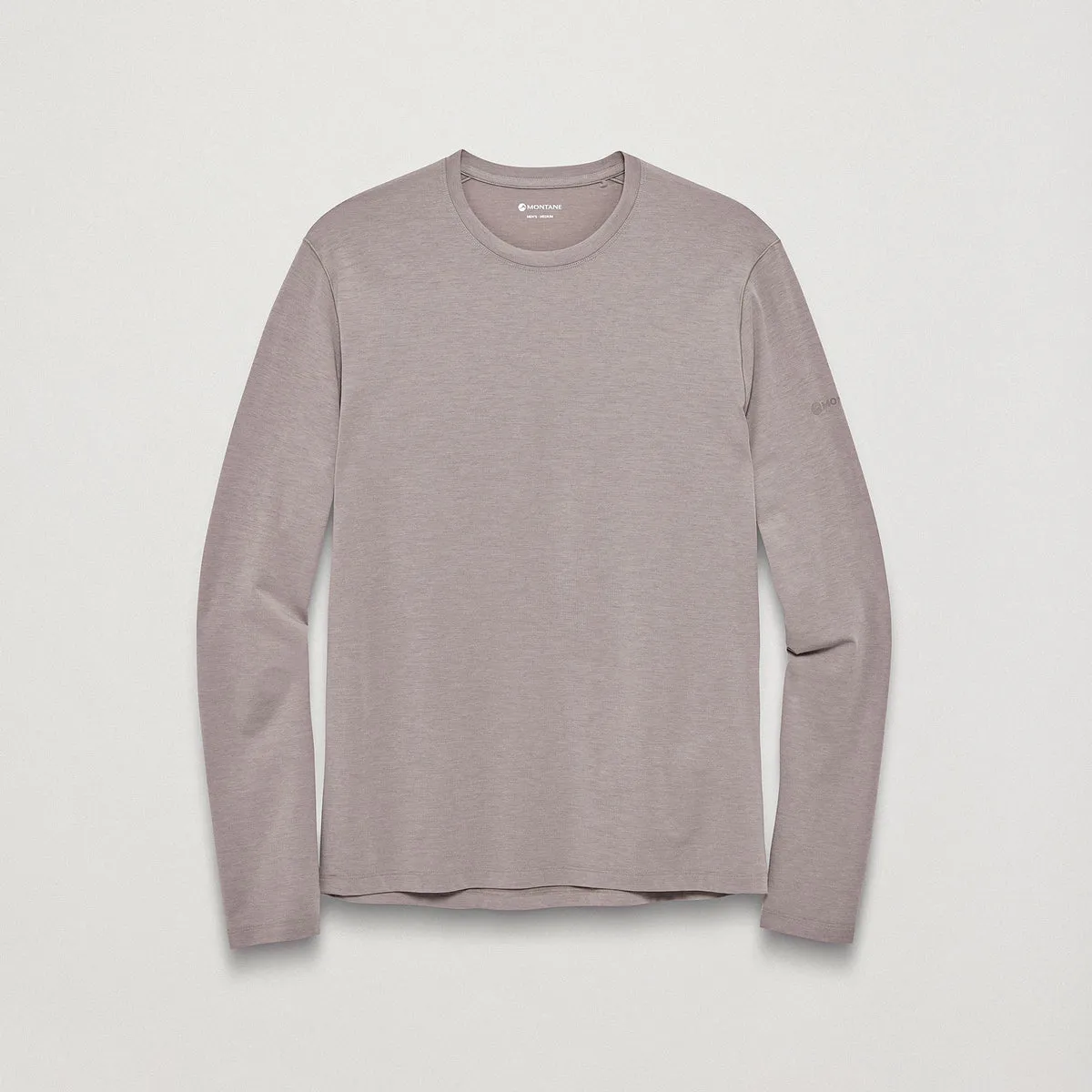
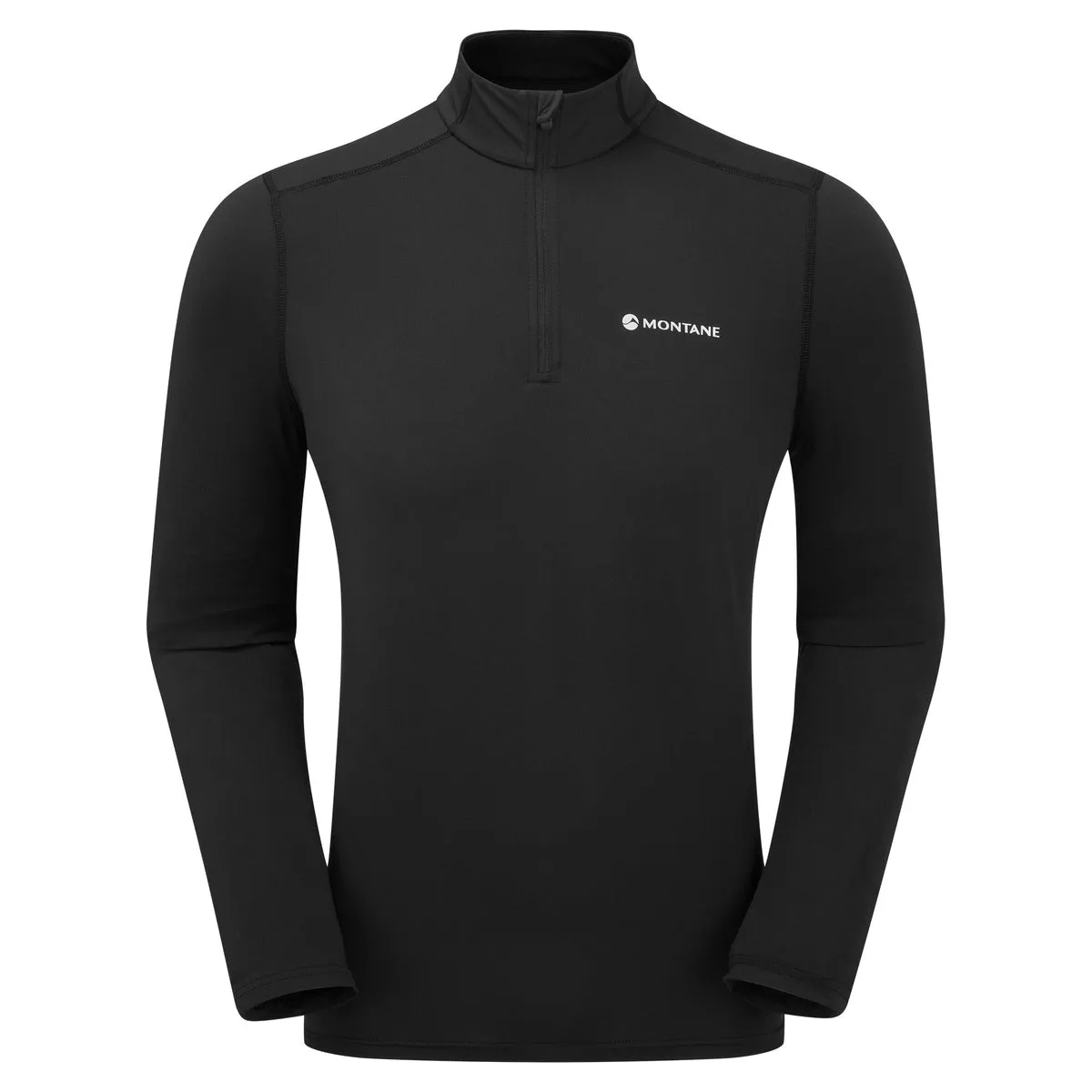
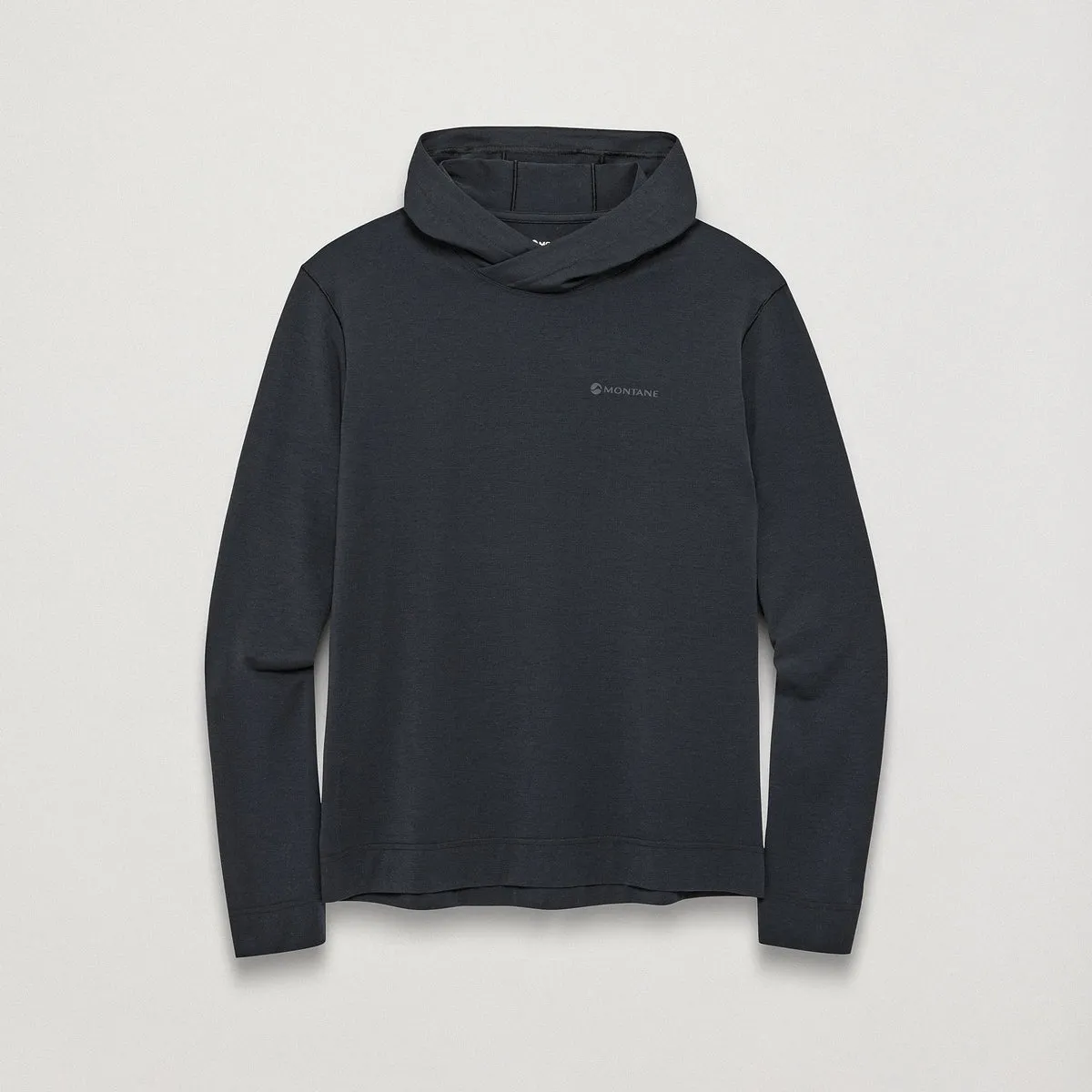
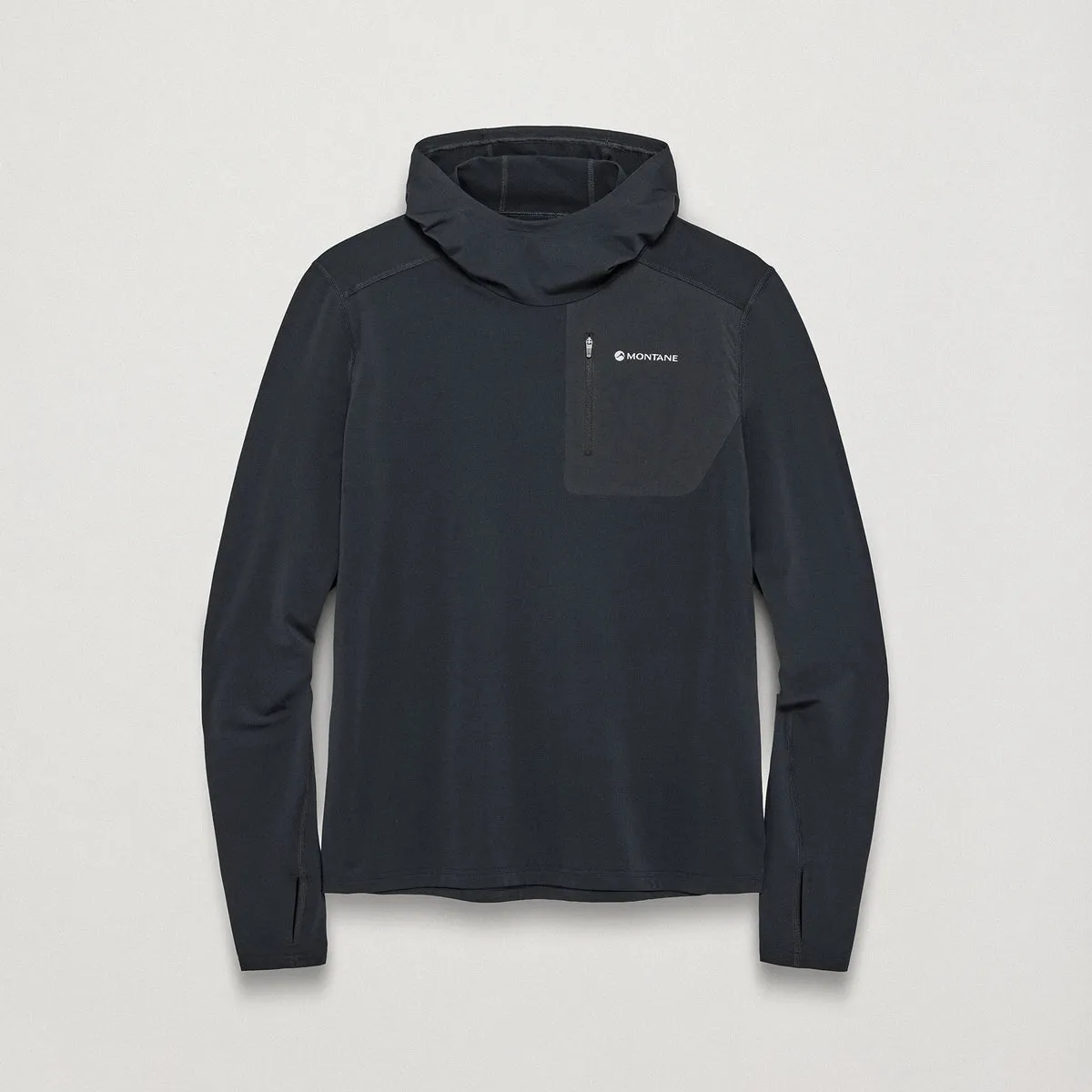
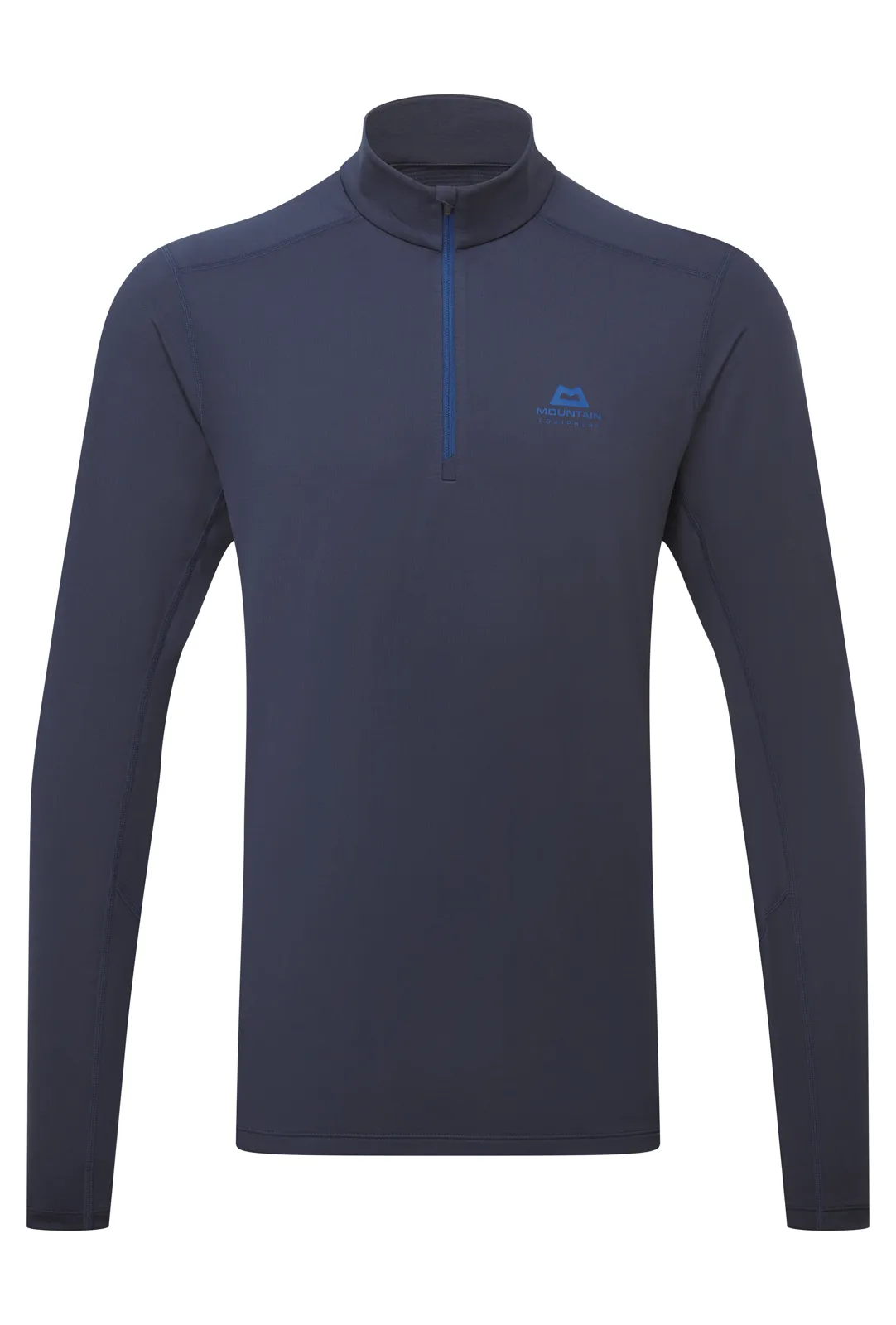
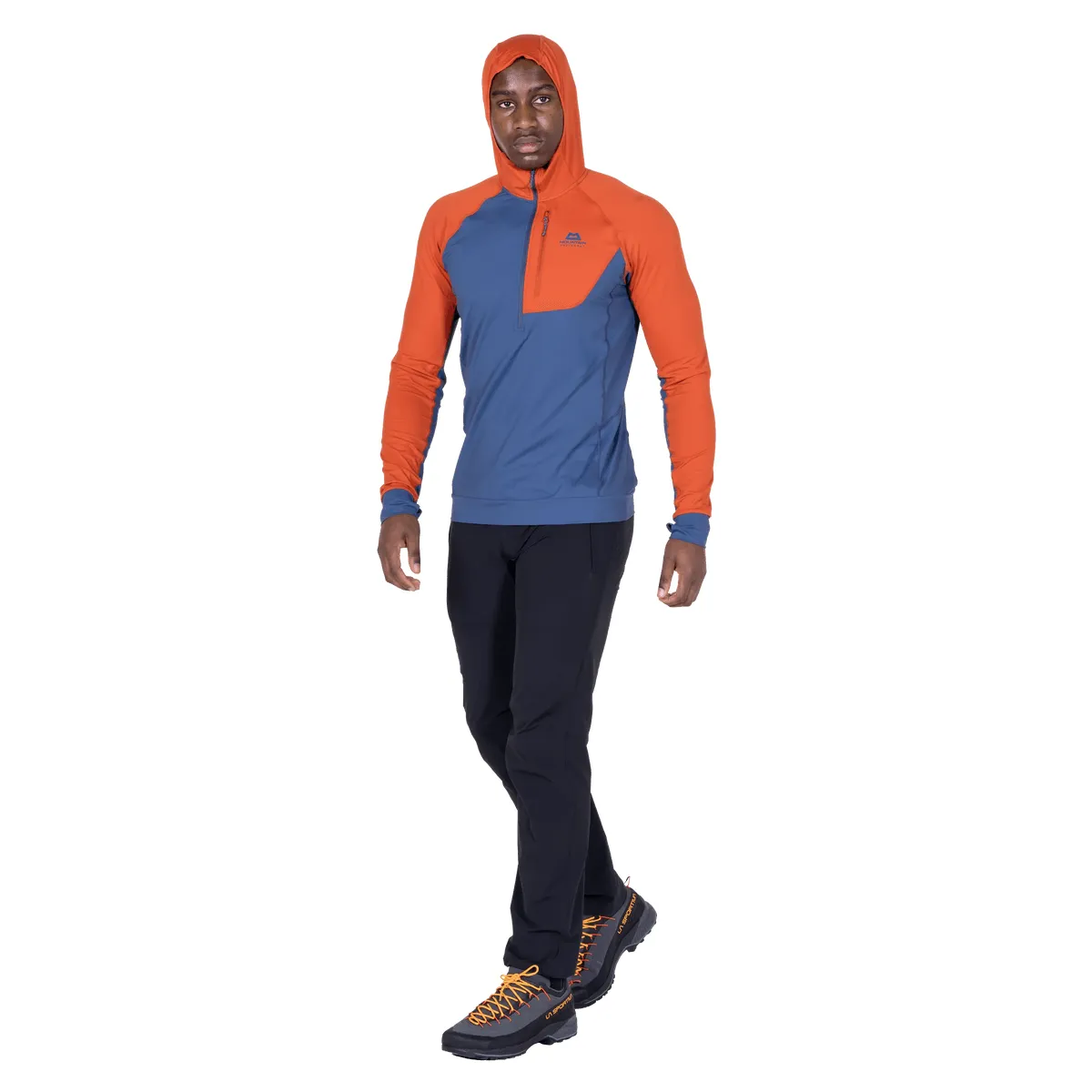
Showing 24 of 45
How to choose a base layer
What it does
A base layer's job is to move sweat away from your skin. Avoid cotton: it soaks up moisture and leaves you damp and cold.
Merino or synthetic
Merino wool resists picking up smells far better than synthetic fabric, which suits trips of several days where you can't wash. Synthetic base layers wick well, dry fast and last longer under rucksack straps. If you sweat hard on the climb and need a layer dry again within the hour, synthetic does that better. Our Odour and Drying scores show how each one did in testing.
Fabric weight
Fabric weight, in grams per square metre (gsm), tells you how warm it is. Around 150 to 200 gsm suits milder days, and 200 to 250 gsm gives more warmth for cooler conditions. Our Warmth score uses the fabric weight: heavier is warmer but slower to dry. Our Winter camp asks for 150 gsm or heavier.
Fit
Fit matters too: a base layer should sit close to your skin without restricting you, snug rather than tight.
What we score
Weight
From maker's figuresHow much it adds to your pack.
Warmth
From maker's figuresHow much the fabric insulates next to your skin. Heavier fabric is warmer and slower to dry.
Comfort
From reviews, or the maker's specsHow soft and comfy it feels next to your skin.
Odour
From reviews, or the maker's specsHow fresh it stays after days of wear; higher is fresher.
Drying
From reviews, or the maker's specsHow well it wicks sweat away and dries.